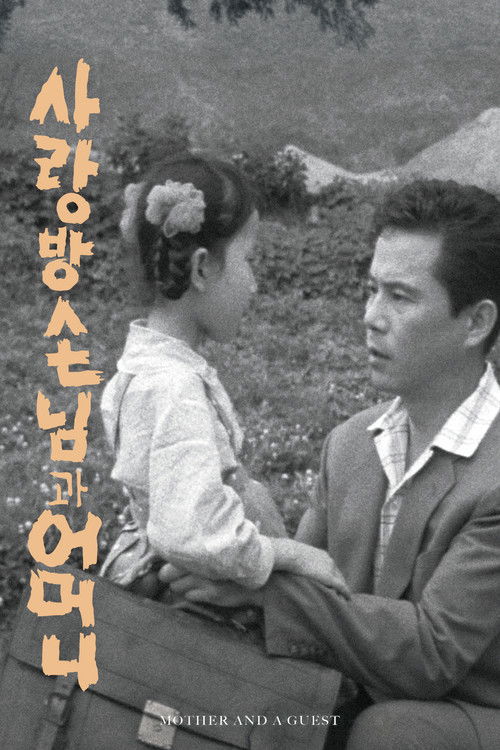
Mother and a Guest
1961
No user ratings available yet
Representation score: 3.6 out of 10
Representation Score
Limited
1960
Director
Kang Dae-jin
Runtime
138 minutes
Average Rating
No ratings yetNew Showbiz Analysis
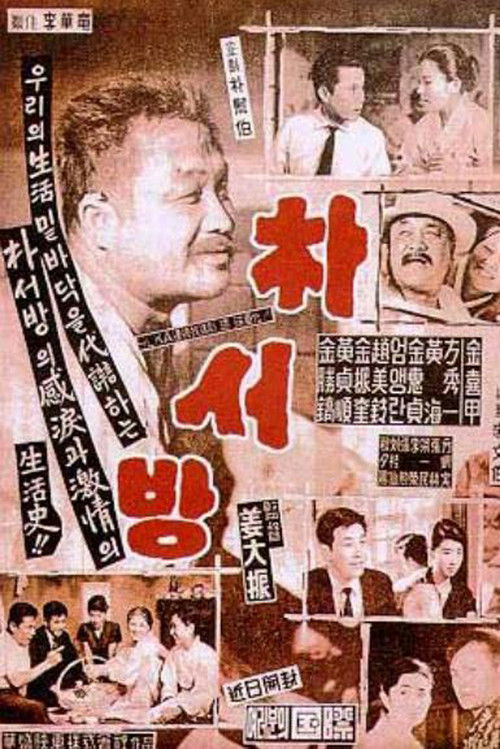
Mr. Park is a traditional period drama that prioritizes the stability of the family unit. The narrative explores generational conflict and the navigation of individual ability to act within a rigid, patriarchal social structure. While the film offers a nuanced look at how characters push against social expectations, it does not actively disrupt or critique the prevailing hierarchies of 1960s South Korea. Instead, it moves toward a more permissive familial structure that ultimately reinforces the importance of the family unit. The film serves as a foundational text for Korean social identity, focusing on domestic life and the tension between traditional authority and modern social shifts.
Category Breakdown
The film does not include any LGBTQ+ characters or non-straight relationships. It focuses on traditional romantic pairings and family connections.
The story revolves around a patriarch who controls his daughters' romantic choices. Although the daughters pursue their own relationships, they are initially defined by their relationship to the patriarch.
The cast is ethnically uniform, reflecting its status as a domestic Korean production. A brief mention of a foreign office suggests globalization, but the cast remains ethnically consistent.
The film emphasizes Confucian values and the significance of parental approval. It highlights the family as a stable institution without critiquing traditional moral frameworks.
There is no evidence of physical or neurodivergent disabilities portrayed in this work.
Present on Screen
Limited or Absent
Official Synopsis
Mr. Park raises his children by repairing charcoal pits. Although ignorant and stubborn, Mr. Park has a good heart. He is displeased, however, with his eldest daughter, Yong-sun (Jo Mi-ryeong), because of her close relationship with Jae-cheon (Hwang hae), who is a scamp in his eyes. He is also unsatisfied with his second daughter, Myeong-sun (Eom Aeng-ran), for liking Ju-sik (Bang Su-il). Only his eldest son, Yong-beom (Kim Jin-gyu), is the apple of his eye, as he approves of his son's wife, Jeom-rye (Kim Hye-jeong). When Yong-beom is sent to a foreign branch office, Mr. Park is against it at first but approves of it, as he knows what it means for his son's future. Eventually, too, he begins to approve of his two daughters' relationships.
1961
1965
1967
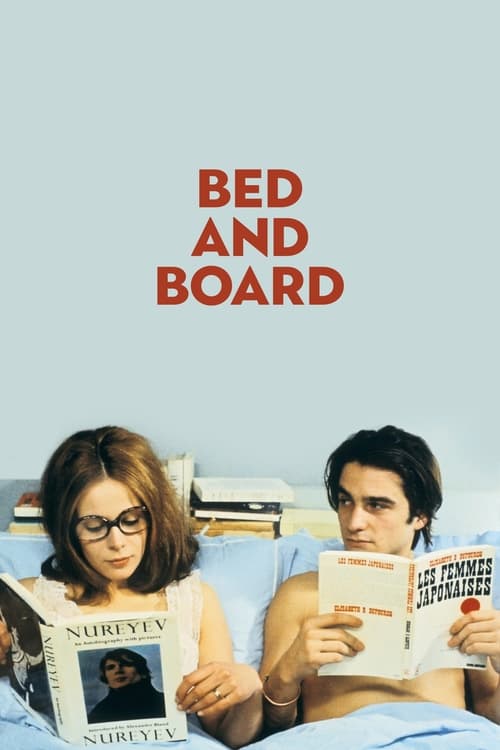
1970

1990
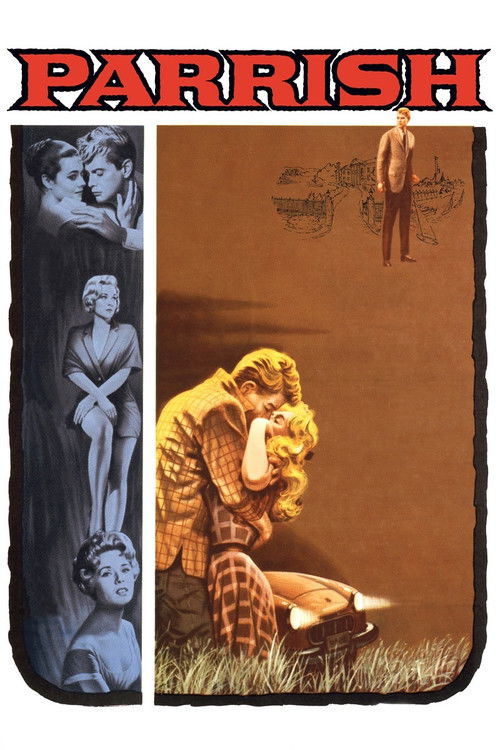
1961
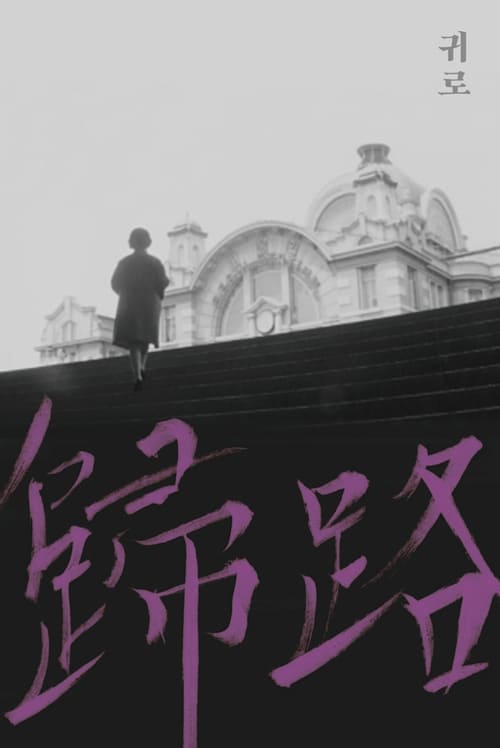
1967

1960
No reviews yet. Be the first to share your thoughts on this movie!
Use the rating form above to leave a star rating and optional review.