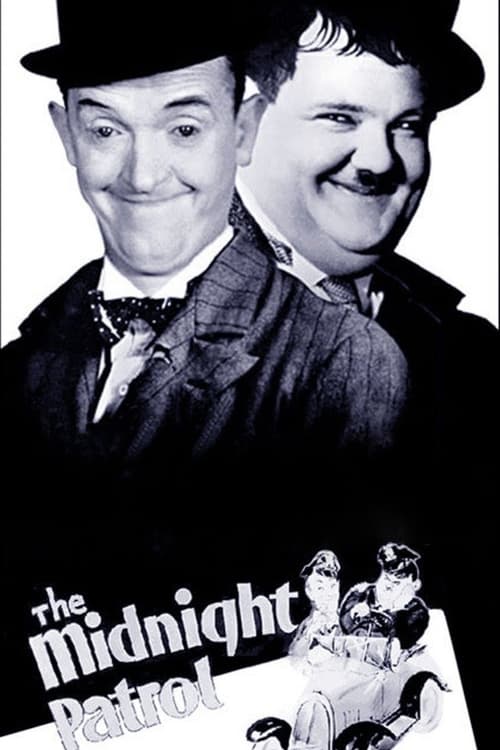
The Midnight Patrol
1933
No user ratings available yet
Representation score: 1.4 out of 10
No Poster Available
Representation Score
Minimal
1938
ApprovedDirector
Charles Lamont
Runtime
18 minutes
Average Rating
No ratings yetNew Showbiz Analysis
Fiddling Around is a traditional slapstick comedy that relies on well-established archetypes rather than nuanced social commentary. The plot follows incompetent male protagonists tasked with protecting a valuable violin, focusing on situational humor rather than diverse perspectives. The film reinforces conventional social hierarchies. By using the 'bumbling hero' and 'female catalyst' clichés, the narrative stays within the narrow bounds of 1930s studio production standards. Overall, the film lacks the intentionality to challenge mainstream norms, reflecting the limited scope of representation in mainstream American comedies of its era.
Category Breakdown
The film does not include any LGBTQ+ identities, adhering strictly to the social norms of the 1930s.
Rosina plays a significant role in driving the plot, likely influencing the actions of male characters. The story revolves around bumbling male detectives and traditional gender roles.
There is no indication of a diverse cast or non-Anglo-Saxon characters. The film follows the homogeneous casting practices typical of late-1930s studio comedies.
The story centers on protecting property and navigating social spaces like pool halls, operating within a conventional Western moral framework.
No information is available regarding the portrayal of physical or neurodivergent characters.
Present on Screen
Limited or Absent
Official Synopsis
Two bumbling, would-be private detectives, Tom Kennedy and Monte Collins, are hired to protect a maestro's valuable Stradvarius. But there is a girl named Rosina and a pool hall involved and that means trouble ahead for the pair.
1933

1930
1937

1934

1955
1940

1950

1924
No reviews yet. Be the first to share your thoughts on this movie!
Use the rating form above to leave a star rating and optional review.