Conductor 1492
1924
No user ratings available yet
Representation score: 1.3 out of 10
Representation Score
Minimal
1937
Director
Marcel Varnel
Runtime
85 minutes
Average Rating
No ratings yetNew Showbiz Analysis
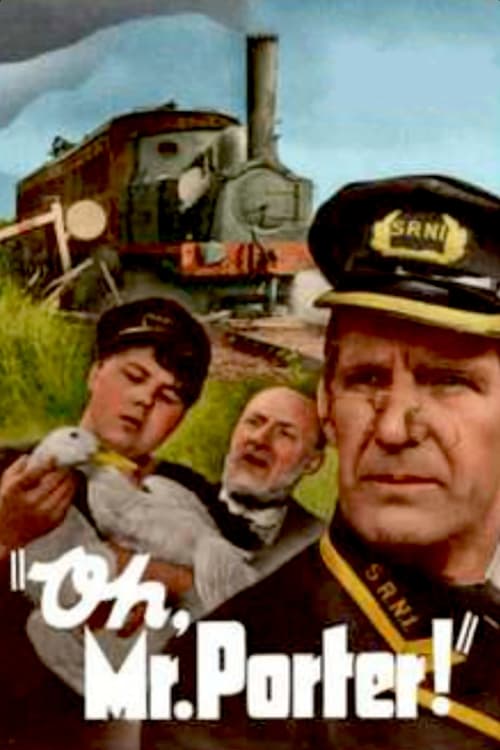
Oh, Mr. Porter! is a quintessential product of its era, prioritizing traditional social hierarchies and homogeneous casting. The comedy relies on established character types that reinforce the status quo rather than challenge it. The film lacks intentionality regarding diverse identities, focusing instead on a localized, culturally uniform community. It operates within a framework that upholds 1930s social norms through its character dynamics and plot structure.
Category Breakdown
The film strictly follows the social structures of the 1930s, with no depiction of non-straight or non-cisgender identities or same-sex relationships.
Men dominate the narrative, taking leading roles while women are confined to minor or domestic parts, serving as background elements to the male-driven plot.
The cast is very homogeneous, reflecting a localized social environment. The film lacks characters from diverse ethnic backgrounds or intentional racial blending.
The story highlights traditional Western social structures and local institutions like the railway. It promotes community unity without critiquing systemic power or religion.
Physical comedy and 'bungling' characters are used as slapstick devices, failing to explore neurodivergence or actual physical disabilities in a nuanced way.
Present on Screen
Limited or Absent
Official Synopsis
Comedy in which a bungling railway worker is given the job of stationmaster at a rundown station in rural Ireland, where his sidekicks are a toothless old gaffer and a portly young loudmouth. Hilarious adventures ensue, including a locomotive chase after gunrunners make off with a train.
1924
1940
1940
1938

1939
1928
1939

1923
No reviews yet. Be the first to share your thoughts on this movie!
Use the rating form above to leave a star rating and optional review.