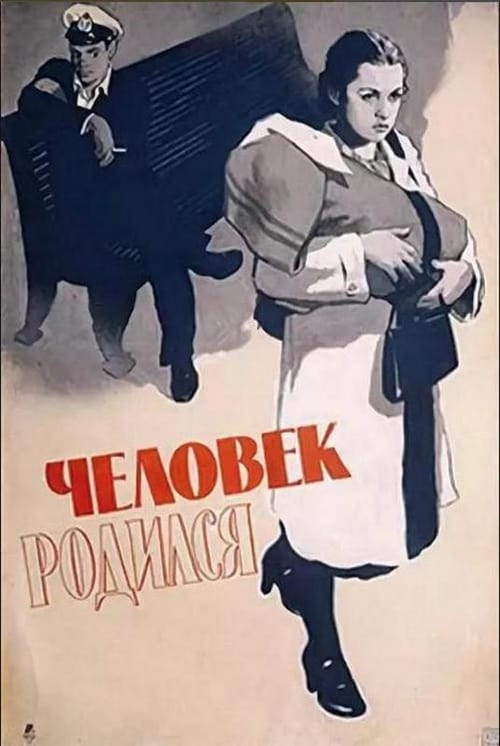
A Man Was Born
1956
No user ratings available yet
Representation score: 2.5 out of 10

Representation Score
Good
1961
Not RatedDirector
Vasili Ordynsky
Runtime
86 minutes
Average Rating
No ratings yetNew Showbiz Analysis
Clouds Over Borsk stands out for its progressive portrayal of gender roles and societal structures. By positioning women in high-level scientific positions, the film challenges the traditional gender hierarchy of the time. Additionally, the narrative avoids the colonialist perspective, treating extraterrestrial life ethically rather than as a conquest target. However, the film is constrained by its historical setting. The cast lacks ethnic diversity, and there is no representation of LGBTQ+ identities or disabilities. Characters are more symbolic representations of scientific progress rather than diverse individuals. Ultimately, the film's strength lies in its collectivist ideology, which contrasts with individualistic heroism. It uses science fiction to explore themes of ethical responsibility and shared human advancement.
Category Breakdown
The film does not depict any non-straight or non-cisgender identities or same-sex relationships. The story focuses solely on professional and scientific interactions set in the Soviet Union of 1961.
Women play key roles in driving the plot, working alongside men in scientific and technical fields. This contrasts with the traditional domestic roles often shown in Western films.
The cast is primarily made up of people from the same ethnic background, reflecting the specific demographics of the Soviet context. However, the inclusion of non-human species symbolizes the idea of the 'other.'
The story highlights secularism and scientific thinking over religious or nationalistic views. It portrays a highly organized society focused on collective achievements rather than capitalist competition.
Characters are portrayed as idealized figures of progress without any visible disabilities or neurodivergence. There is no significant depiction of physical or cognitive differences.
Present on Screen
Limited or Absent
Official Synopsis
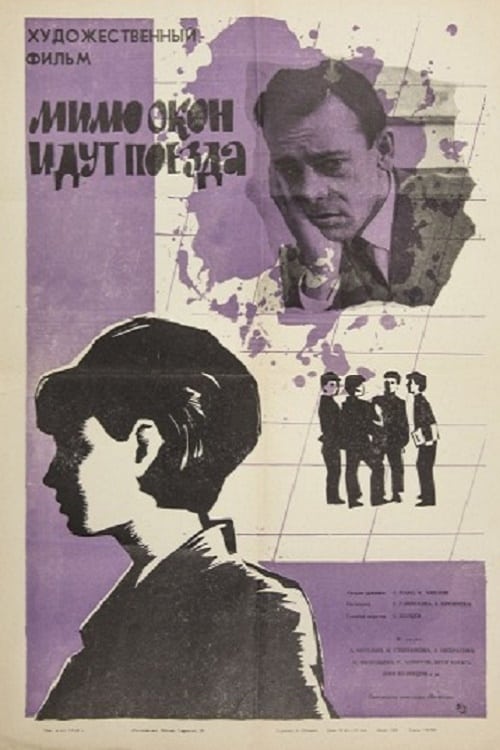
Tenth grader Olya Ryzhkova can't find understanding among the people around her.
1956
1961
1960

1930
1965
1966
1959

1963
No reviews yet. Be the first to share your thoughts on this movie!
Use the rating form above to leave a star rating and optional review.