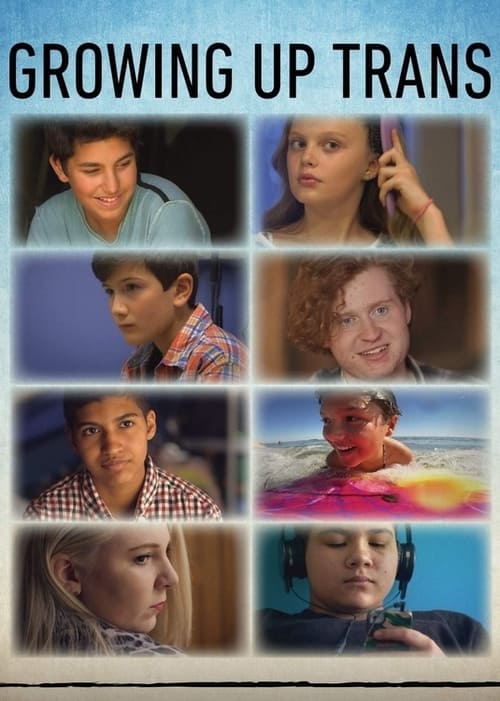
Growing Up Trans
2015
No user ratings available yet
Representation score: 9.3 out of 10

Representation Score
Excellent
2019
Director
David Fernández de Castro, Marc Parramon
Runtime
73 minutes
Average Rating
No ratings yetNew Showbiz Analysis
The documentary provides a significant study of personal identity, moving beyond theoretical concepts to address the practical realities of a transgender life. It effectively highlights the intersection of medical, legal, and familial systems through a deeply personal lens. While the film excels in gender and LGBTQ+ representation, it remains narrow in its scope. The focus on a specific, well-off domestic setting limits the exploration of broader racial or ethnic diversity. Ultimately, the work is a powerful disruption of biological essentialism. It prioritizes the subject's role in shaping their narrative, challenging conventional social frameworks.
Category Breakdown
The documentary delves deeply into the experiences of those whose gender identity doesn't align with their assigned sex at birth. It centers on Violeta's journey, emphasizing her role in navigating the complexities of gender expression and transition.
By showing a shift from a male-assigned identity to a female identity, the film challenges traditional gender roles. It highlights the importance of personal choice and autonomy over biological determinism.
The narrative focuses on a specific family's journey within a well-off domestic setting. There is little evidence of a diverse racial cast or a focus on ethnic diversity.
The film critiques strict social norms by depicting a family supporting a non-traditional path. It highlights a move towards secular, individual-centric frameworks of identity over traditional definitions.
The film addresses medical autonomy and the psychological navigation of puberty. However, it lacks specific detail regarding neurodivergence or the management of chronic health conditions.
Present on Screen
Limited or Absent
Official Synopsis
Violeta leads a normal life in a well-off family, with loving parents, surrounded by everything the heart of an eleven-year-old girl might wish for. But she hasn’t always been the pretty girl she is today; she was born a boy. At age 6, she baffled her parents (the famous adult movie stars Nacho Vidal and Franceska Jaimes) when she told them she wanted to be called and dress as a girl. After the initial shock, they decided to give her all their support on the long and tough road that will lead to her becoming a woman someday. Violeta faces many challenges, medical (such as deciding whether or not to take hormone-blockers to stop the development of masculine features as soon as puberty kicks in) and legal (obtaining an ID card with her new name and gender). Later, she may consider getting a sex reassignment procedure, or the possibility of becoming a mother through adoption.
2015

1997
2015

2007

2017

2024

2016

2015
No reviews yet. Be the first to share your thoughts on this movie!
Use the rating form above to leave a star rating and optional review.