Countrymen
1963
No user ratings available yet
Representation score: 5.0 out of 10
Representation Score
Limited
1974
Director
Lyudmil Kirkov
Runtime
102 minutes
Average Rating
No ratings yetNew Showbiz Analysis
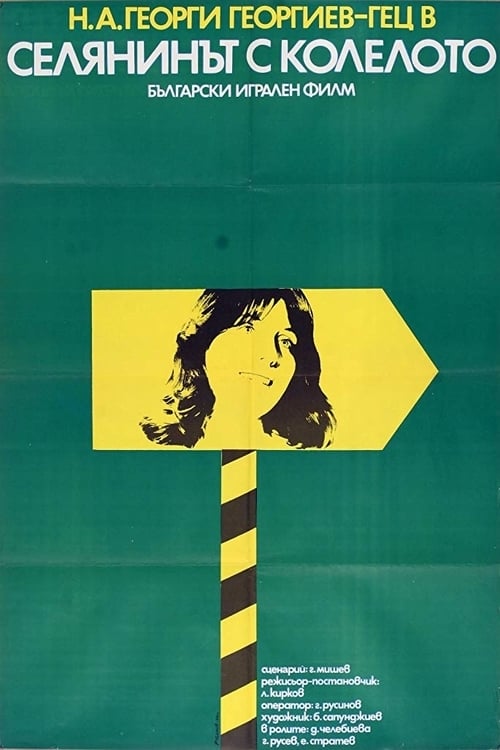
Lyudmil Kirkov’s drama is a character-driven study of individual longing versus social inertia. It focuses on the tension between a man's desire for a rural life and the rigidity of industrial institutions. The film lacks modern markers of diversity, such as LGBTQ+ representation or racial diversity. However, it provides a nuanced look at class dynamics and the struggles of the working class within a specific historical setting. While the demographic profile is homogeneous, the film succeeds in its empathetic portrayal of the proletariat and its critique of institutional indifference.
Category Breakdown
The film follows a traditional romantic arc between Yordan and a female pharmacist. There are no depictions of LGBTQ+ identities or non-cisgender characters.
The narrative centers on Yordan's role and his attempts to reshape his environment. While the female pharmacist has professional influence, gender dynamics remain conventional.
The cast is a homogeneous Slavic/Bulgarian group. This accurately reflects the historical and geographical context of 1970s Bulgaria without any casting anomalies.
The story explores the conflict between rural traditions and urban modernization. It critiques systemic structures and the limitations of centralized social organization.
There are no visible or invisible disabilities portrayed as central to the character arcs or used as narrative devices.
Present on Screen
Limited or Absent
Official Synopsis
Born in a small village, Yordan has to live and work in the nearby town. Only on the weekends can he return to his native village. He travels by a bike and observes the nature and the animals around him with overt sadness. In the village arrives a young pharmacist and she rents his house. Soon both of them fall in love. In order to be near her, Yordan tries to persuade his colleagues to move one of the workshops from the plant to the village. But they are all used to living in the town now and decline his offer. Yordan realizes that he cannot demand impossible things.
1963
1965
1976
2014
1973
1966
1969

1977
No reviews yet. Be the first to share your thoughts on this movie!
Use the rating form above to leave a star rating and optional review.