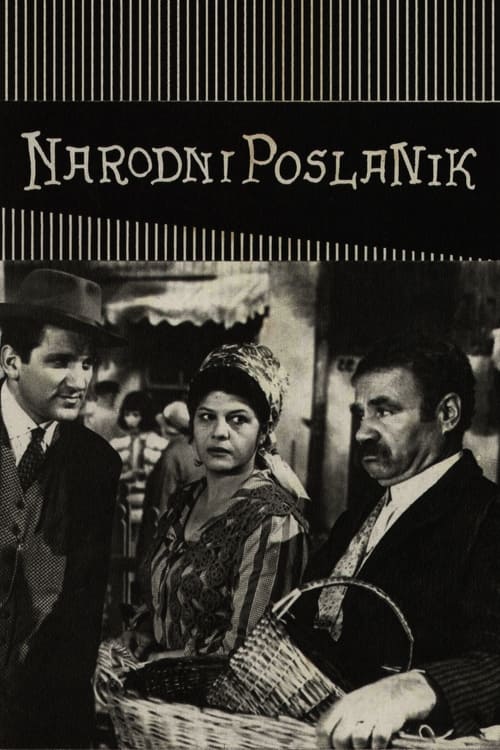
People's Deputy
1964
No user ratings available yet
Representation score: 2.8 out of 10
Representation Score
Limited
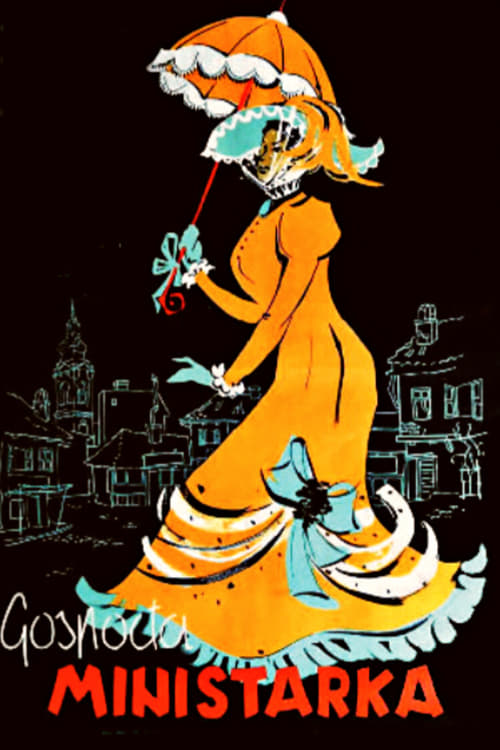
1958
Director
Žorž Skrigin
Runtime
96 minutes
Average Rating
No ratings yetNew Showbiz Analysis
The film operates as a sharp social satire centered on class mobility and political pretensions. It uses the comedic downfall of a minister to critique the fragility of social hierarchies and the superficiality of status-seeking behavior. While the narrative effectively deconstructs traditional power structures, it lacks modern characters who reflect more than one aspect of diversity. The focus remains strictly on the localized social climbing of the protagonist within a specific historical and cultural context.
Category Breakdown
The film does not include any characters with non-straight sexual orientations or same-sex relationships. The story centers on traditional marriage and the social status of a wife within a conventional family setting.
Živka's role is closely tied to her husband's political status. However, the satire undermines traditional patriarchal norms by showing the incompetence of the provider figure through his political scandal and resignation.
The casting reflects the homogeneous demographic of 1958 Yugoslavia. The narrative focuses on class distinctions and social standing without engaging with racial or ethnic diversity.
The film uses satire to challenge the sanctity of political institutions. It critiques materialism and the performative nature of social status through the protagonist's sudden shift in lifestyle.
There is no documented evidence of characters with visible or invisible disabilities playing central roles or serving as thematic elements in this production.
Present on Screen
Limited or Absent
Official Synopsis
After becoming a minister's wife, Živka changes her former way of life and becomes a lady. However, her fashionable way of life is of short duration, since her husband is forced to resign after being involved in a scandal. Based on highly popular Serbian comedy novel by Branislav Nušić.
1964
2013
1965
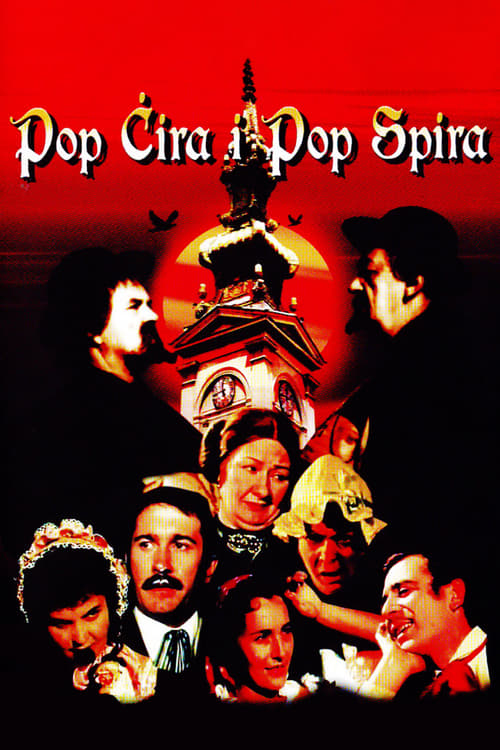
1957
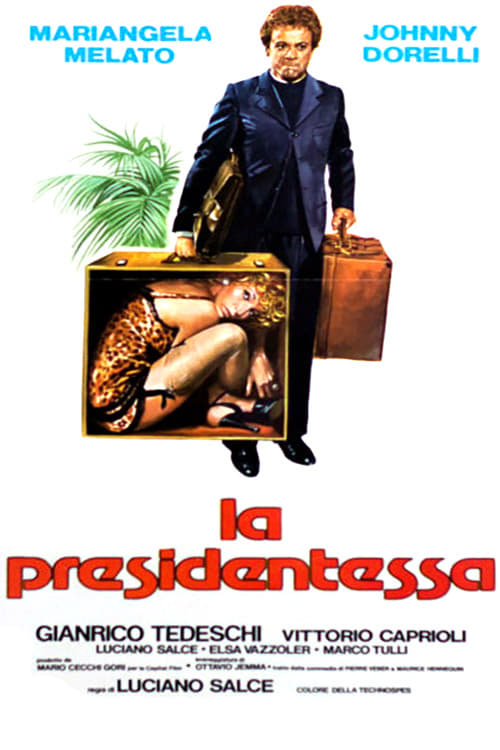
1977
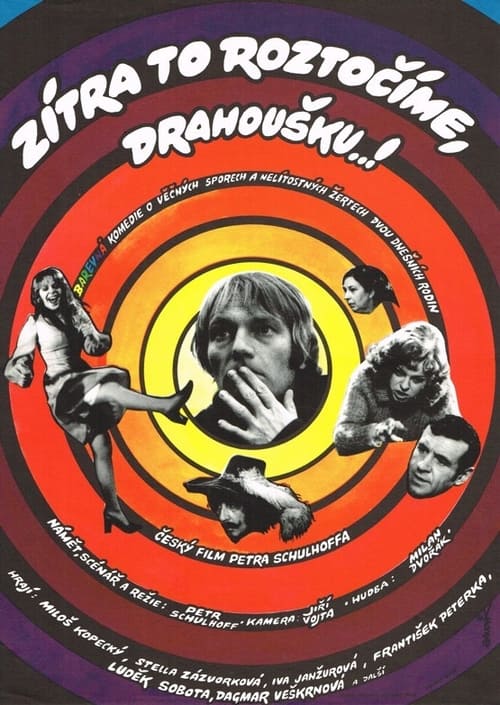
1976
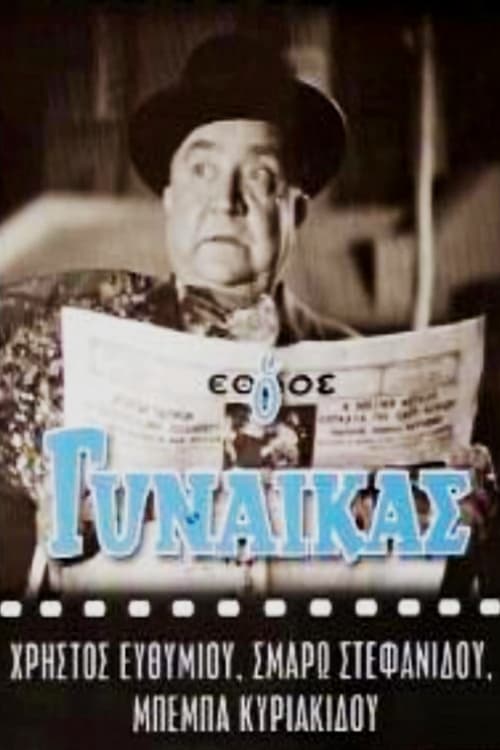
1957

1967
No reviews yet. Be the first to share your thoughts on this movie!
Use the rating form above to leave a star rating and optional review.