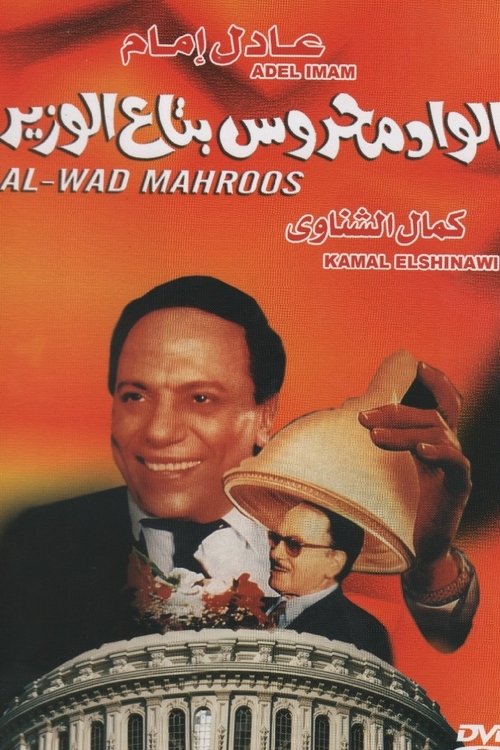
Mahrous the Minister's Attaché
1999
No user ratings available yet
Diversity score: 4.1 out of 10
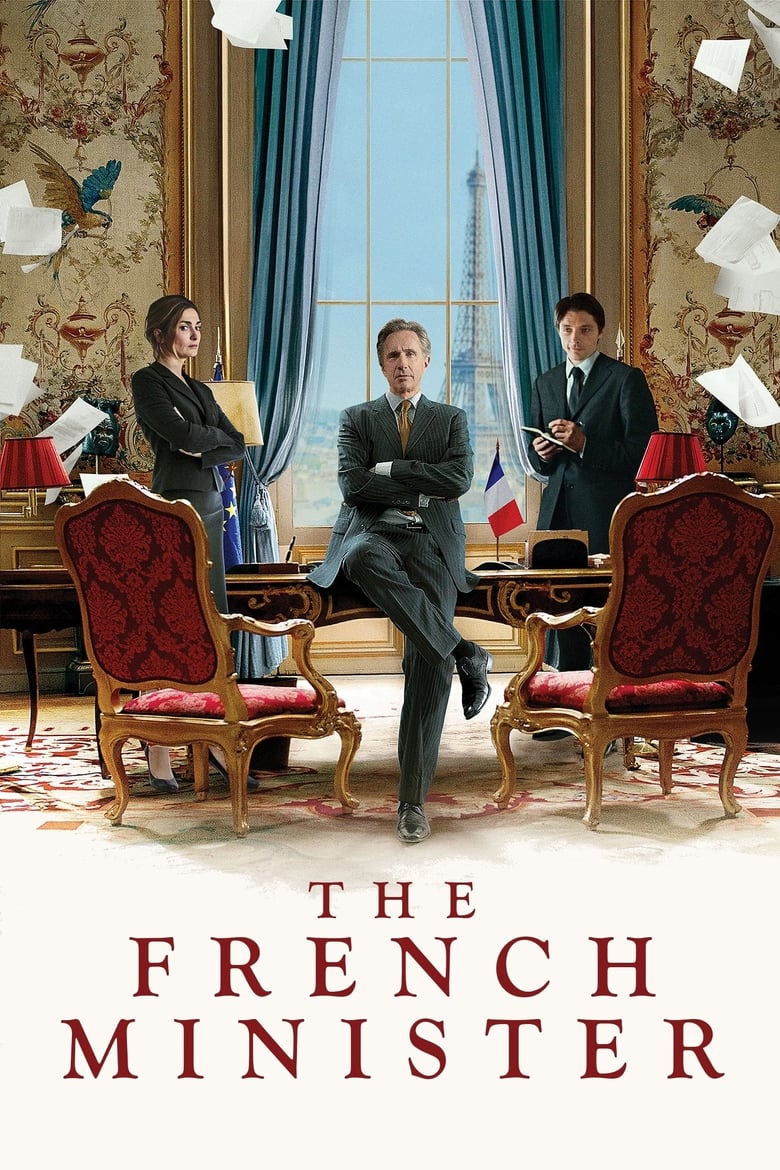
2013
Not RatedDirector
Bertrand Tavernier
Runtime
113 minutes
Average Rating
No ratings yetSynopsis
Alexandre Taillard de Vorms is a force to be reckoned with. With his silver mane and tanned, athletic body, he stalks the world stage as Minister of Foreign Affairs for France, waging his own war backed up by the holy trinity of diplomatic concepts: legitimacy, lucidity, and efficacy. Enter Arthur Vlaminck. Hired to write the minister's speeches, Arthur must contend with the sensibilities of his boss and the dirty dealings within the Quai d'Orsay, the ministry's home.
Overall Score
Fair
Category Breakdown
LGBTQ+ Representation
The film focuses on the intellectual friction between the Minister and his speechwriter. It does not center on non-cisnormative identities or explicitly critique heteronormativity through a queer lens.
Gender Representation
The narrative disrupts traditional hierarchies by centering tension on linguistic mastery. While the primary struggle is between two men, the Minister is portrayed as a volatile, ego-driven figure.
Racial & Ethnic Diversity
Set within the French Ministry of Foreign Affairs, the cast remains largely homogeneous. The film reflects the Eurocentric nature of the diplomatic corps and lacks significant racial intersectionality.
Religious & Cultural Diversity
The film excels in critiquing Western institutional stability. It portrays diplomacy as a game of linguistic manipulation and moral relativism rather than a pursuit of objective truth.
Disability Representation
There are no prominent depictions of visible or invisible disabilities that drive the narrative or serve as central character arcs.
Strengths
Areas for Improvement
AI Analysis
The film functions as a sophisticated deconstruction of institutional power. It prioritizes the mechanics of diplomacy and the volatility of political figures over demographic breadth. While the narrative architecture challenges the perceived sanctity of Western political structures, it lacks significant representation of marginalized groups. Demographically, the film is quite narrow. The cast remains largely homogeneous, reflecting the Eurocentric constraints of the diplomatic setting. There is a notable absence of LGBTQ+ identities or racial intersectionality within the core cast. However, the film finds strength in its cultural critique. By framing the Quai d’Orsay as a site of cynical maneuvers and performative legitimacy, it offers a nuanced, postmodern view of authority that transcends simple moral binaries.
1999
2010
2013
1976

2013
2018

1986

2006
2000
2021

2023
2015
No reviews yet. Be the first to share your thoughts on this movie!
Use the rating form above to leave a star rating and optional review.