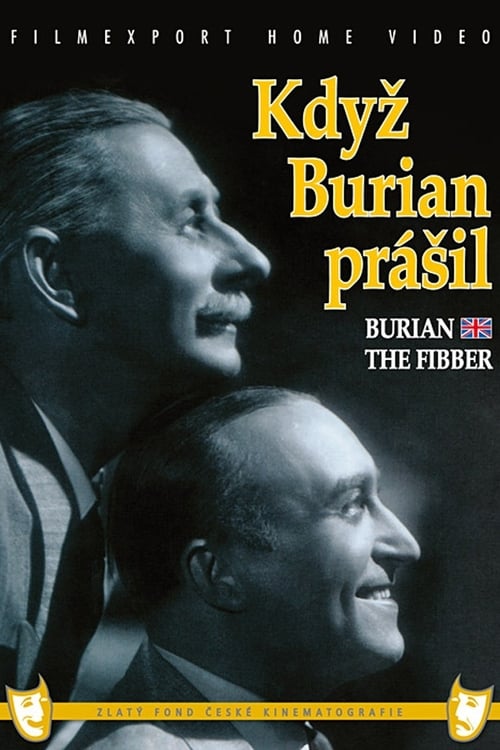
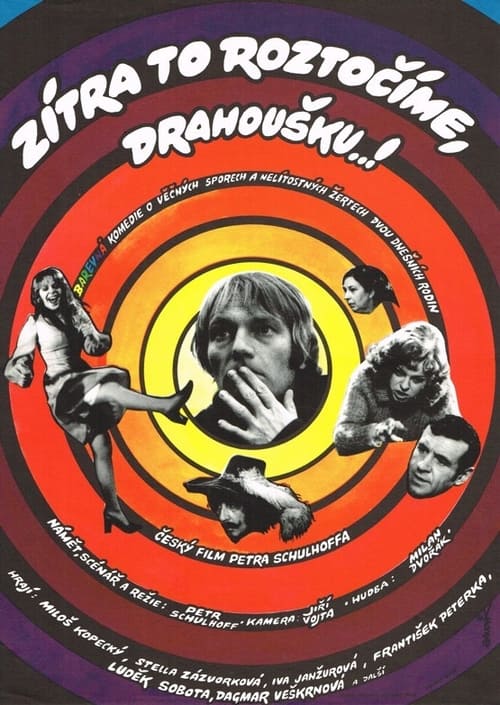
Burian the Liar
1940
No user ratings available yet
Representation score: 1.8 out of 10
Representation Score
Limited
1976
Director
Petr Schulhoff
Runtime
95 minutes
Average Rating
No ratings yetNew Showbiz Analysis
This 1976 Czechoslovakian comedy operates within a traditional framework of domestic satire. The narrative is driven by a localized conflict involving a lie about marital infidelity, keeping the focus on interpersonal drama rather than broader social representation. The film adheres to the demographic and social realities of its time and place. It lacks engagement with diverse identities, focusing instead on the social repercussions of deception within a neighborhood setting. Ultimately, the work functions as a period-specific domestic comedy that prioritizes local social mores over the exploration of diverse perspectives.
Category Breakdown
The film focuses on marital fidelity and interpersonal deception without featuring any queer narratives or non-cisgender identities.
The story revolves around marital fidelity and traditional domestic settings. While humor arises from a lie about a husband, it does not clearly challenge gender hierarchies.
Reflecting its 1976 Central European origins, the film follows the homogeneous demographic norms of the era. There is no indication of multi-ethnic casting.
The story explores social friction through neighborly conflict and local customs. It does not engage with systemic or institutional critiques.
The narrative does not include any characters with physical, sensory, or neurodivergent disabilities.
Present on Screen
Limited or Absent
Official Synopsis
Mr. Novak tells a lie to his neighbor Mrs. Bartackova that her husband is unfaithful to her and that is how it all started.
1940
1961
1968

2011
1980
1955
1962
1981
No reviews yet. Be the first to share your thoughts on this movie!
Use the rating form above to leave a star rating and optional review.