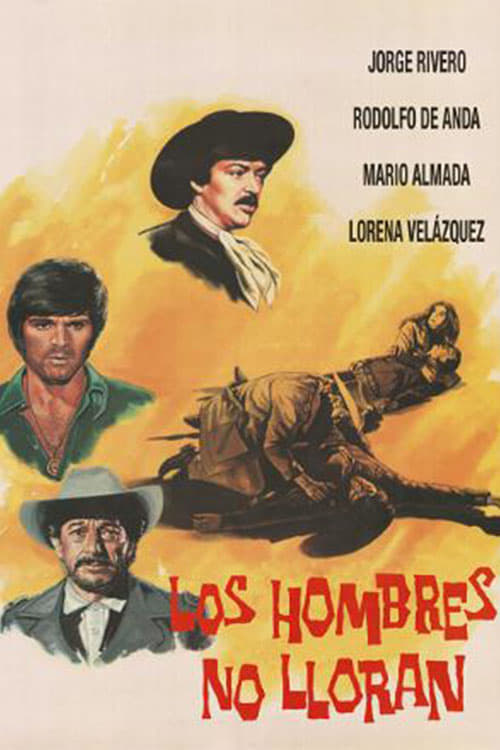
Los Hombres No Lloran
1973
No user ratings available yet
Representation score: 2.6 out of 10
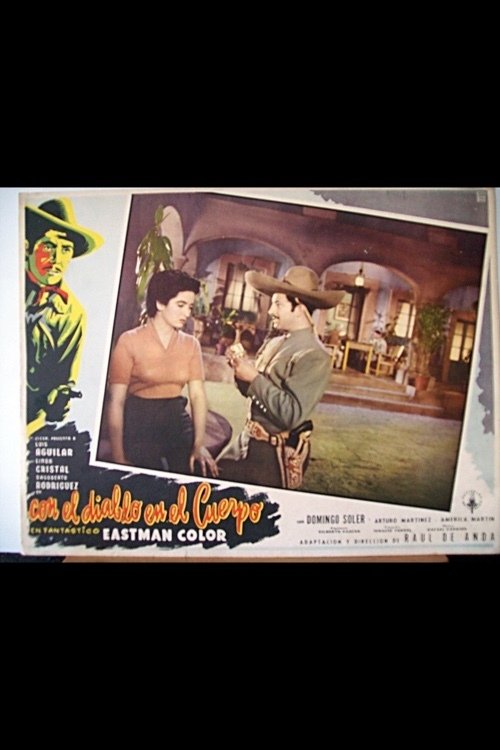
Representation Score
Minimal
1954
Director
Raúl de Anda
Runtime
92 minutes
Average Rating
No ratings yetNew Showbiz Analysis
With the Devil in the Body is a mid-century melodrama that relies heavily on established moral binaries. The story pits an honorable man against an unscrupulous adventurer, a structure that reinforces traditional archetypes rather than challenging them. The film functions as a standard representation of its era's national cinema. While it centers Mexican cultural contexts, the narrative tension is driven by romantic passion and individual impulse rather than social critique. Ultimately, the work upholds the social and gender hierarchies of the 1950s. It prioritizes character-driven melodrama and classical storytelling over the exploration of diverse identities or systemic social issues.
Category Breakdown
The film focuses on heterosexual relationships and traditional courtship. There are no representations of non-binary genders or narratives that challenge the assumption that everyone is straight or cisgender.
The female lead is positioned as a subject of romantic conflict between love and passion. While she drives the plot through her choices, the framework reinforces traditional masculine hierarchies.
As a product of the Golden Age of Mexican cinema, the film centers Mexican identity. However, the narrative focuses on class and moral standing rather than explicit ethnic diversity.
The plot emphasizes traditional values regarding honor, family, and moral consequences. It aligns with conventional moral frameworks rather than deconstructing traditional institutions.
There is no mention of characters with visible or invisible disabilities within the narrative.
Present on Screen
Limited or Absent
Official Synopsis
Believing he's committed murder, an unscrupulous adventurer, Lucio Márquez, flees town and takes refuge on a ranch managed by his brother Fausto. Fausto is an honorable man and is about to become engaged to the daughter of the owner of the property under whom he works. He warmly welcomes the errant man and lends his support. Until, disloyally and out of self-interest, his friend steals his fiancée. After struggling between her sincere love for one and her passion for the other, she ends up making a bad choice that could cost her her life.
1973
1940
1929
1947

1955

1968
1932
1965
No reviews yet. Be the first to share your thoughts on this movie!
Use the rating form above to leave a star rating and optional review.