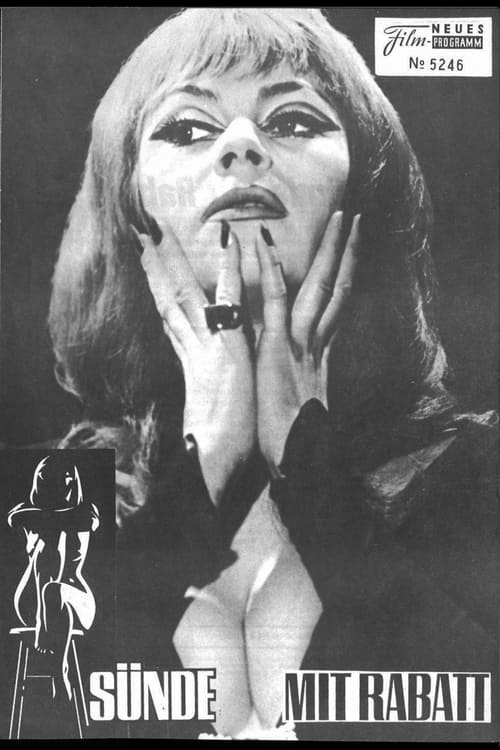
Sünde mit Rabatt
1968
No user ratings available yet
Representation score: 2.9 out of 10
Representation Score
Limited
1971
Director
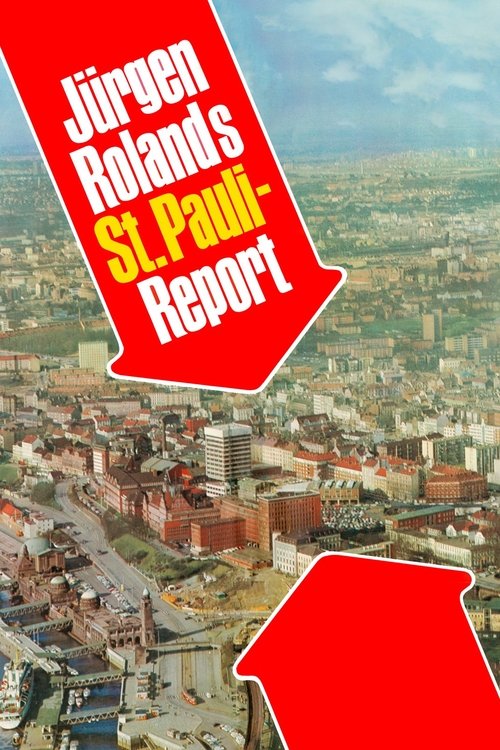
Jürgen Roland
Runtime
92 minutes
Average Rating
No ratings yetNew Showbiz Analysis
Jürgen Roland’s St. Pauli-Report is a gritty, pseudo-documentary exploration of Hamburg's criminal underworld. It emphasizes social realism and urban decay over diverse identity representation. The film serves as a genre piece reflecting the demographic norms of 1970s West Germany. While the film critiques institutional stability by highlighting systemic failures in the St. Pauli district, it does not actively challenge identity hierarchies. The narrative stays tied to the social stratification of its time, emphasizing masculine authority and localized social environments.
Category Breakdown
The film focuses on traditional criminal hierarchies and the sex trade. It does not include any clear examples of LGBTQ+ identities or non-traditional gender roles.
The story revolves around a male-dominated criminal hierarchy. Women are primarily shown in the context of the sex trade and have limited roles in the plot.
The cast appears mostly uniform, representing the local German working class. There is no indication of intentional ethnic diversity or varied casting.
The film presents a moderate critique of social stability centered on socioeconomic struggles. It highlights urban decay without promoting a specific ideological stance.
The story does not feature any characters with physical or neurodivergent conditions. The focus remains on the mechanics of crime and the social environment of the district.
Present on Screen
Limited or Absent
Official Synopsis
It is about brawls, prostitution, a prison escapee, murder and manslaughter. The film wants to be documentary, the director himself appears as moderator and interviewer.
1968

2013
2013

1992
2018

1994
1967

1985
No reviews yet. Be the first to share your thoughts on this movie!
Use the rating form above to leave a star rating and optional review.