
To Each, Her Own
2018
No user ratings available yet
Representation score: 6.6 out of 10
Representation Score
Good
1993
Director
Mathieu Kassovitz
Runtime
95 minutes
Average Rating
No ratings yetNew Showbiz Analysis
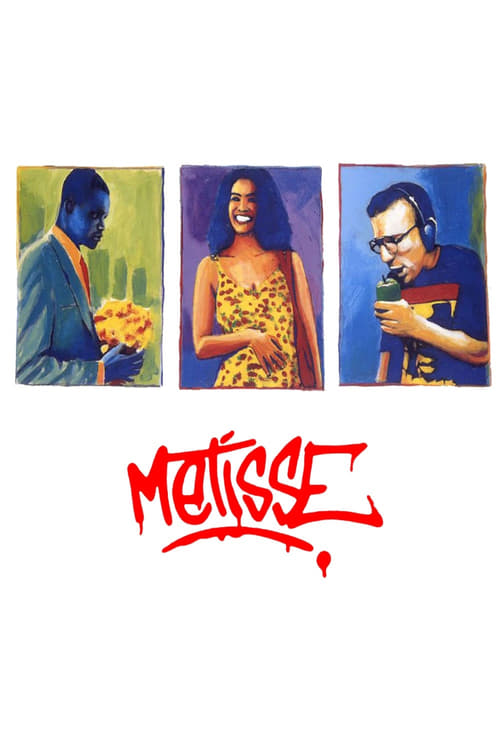
Métisse stands out for its proactive approach to racial and ethnic the way different parts of someone's identity overlap. By placing Jewish and Black identities at the heart of a romantic conflict, the film moves beyond peripheral representation to make multiculturalism the central theme. The film also grants a significant role in driving the story to its female protagonist. Lola's reproductive choices drive the tension, subverting traditional domestic hierarchies by centering the female experience in the decision-making process. However, the film remains limited in its scope of identity. The narrative is strictly focused on heterosexual and cisgender structures and lacks evidence of LGBTQ+ representation or disability inclusion.
Category Breakdown
The story focuses on heterosexual and cisgender relationships. There is no clear indication of LGBTQ or non-cisgender identities within the main character arcs.
Lola is the central driver of the plot. Her reproductive choices and personal decisions shape the conflict rather than male-driven decisions.
The film centers on the intersection of Jewish and Black identities. This approach disrupts traditional cinematic homogeneity by making diverse ethnic backgrounds the core drivers of the narrative.
The narrative explores the blending of different religious and ethnic backgrounds. It critiques monolithic cultural identities by presenting a more fluid, postmodern social reality.
There is no discernible evidence regarding the portrayal of physical or neurodivergent disabilities in the narrative.
Present on Screen
Limited or Absent
Official Synopsis
Lola is pregnant, and she isn’t sure who the father is: Félix, a Jewish delivery boy, or Jamal, a black law student.
2018

2016

2009

2013

2013

2005

2012
2003
No reviews yet. Be the first to share your thoughts on this movie!
Use the rating form above to leave a star rating and optional review.