
MILF
2018
No user ratings available yet
Representation score: 4.7 out of 10
Representation Score
Fair
2003
Director
Coline Serreau
Runtime
90 minutes
Average Rating
No ratings yetNew Showbiz Analysis
Coline Serreau’s work presents a multi-parent household that challenges traditional family structures. This structural choice offers a meaningful departure from standard domestic arrangements, even if specific queer identities remain nuanced. The film's strength lies in its exploration of female autonomy and the disruption of patriarchal stability. However, the narrative lacks significant racial or ethnic diversity, focusing on a more homogeneous European setting. Ultimately, the film serves as a moderate progressive work, effectively challenging social mandates regarding family architecture but missing opportunities for broader demographic representation.
Category Breakdown
The film centers a household with three fathers, challenging traditional biological frameworks. While specific queer identities aren't detailed, the non-traditional structure questions standard family models.
The story highlights the daughter's growing autonomy and romantic ability to act, driving emotional complexity through the female characters' impact on the male status quo.
The narrative focuses on a relatively homogeneous European demographic. There is little evidence of significant racial or ethnic diversity within the primary character arcs.
The film critiques settled social norms by emphasizing modern interpersonal dynamics over traditional institutions. It explores the tension between established family structures and new influences.
There is no visible evidence regarding the portrayal of physical or neurodivergent disabilities in this narrative.
Present on Screen
Limited or Absent
Official Synopsis
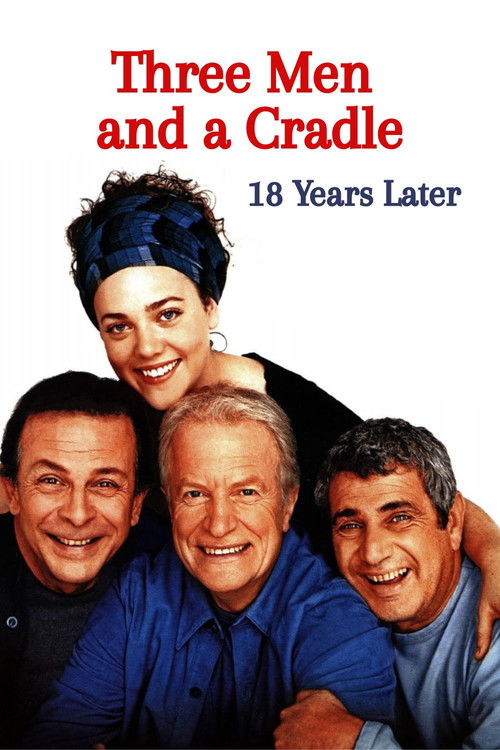
Marie (and her three fathers) are taking A-levels. Marie passes. She spends the summer in the country with her mother, Sylvia, who has returned from America with her Californian husband who has two sons. Marie falls in and out of love for the first time in front of her alarmed fathers, who see Marie's innocence slipping away at frightening speed, and their relationships with the two women become even more complicated.
2018

1995
2003

2003

2013
1978
1999

2012
No reviews yet. Be the first to share your thoughts on this movie!
Use the rating form above to leave a star rating and optional review.