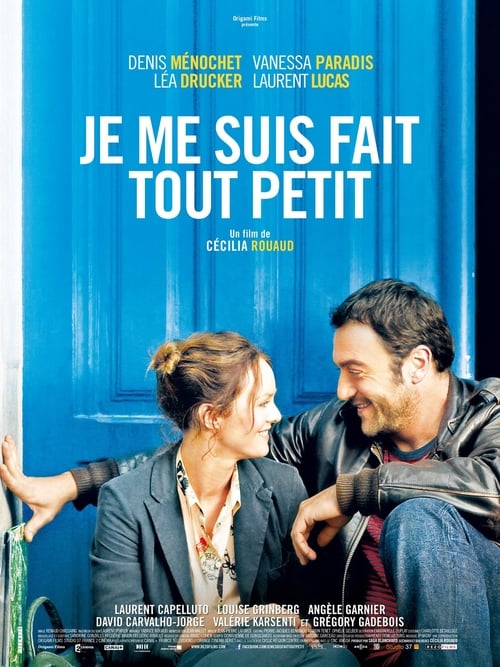
Low Profile
2012
No user ratings available yet
Representation score: 5.0 out of 10

Representation Score
Minimal
2013
Director
Stéphanie Murat
Runtime
83 minutes
Average Rating
No ratings yetNew Showbiz Analysis
Max is a minimalist, experimental film that prioritizes formalist abstraction over traditional narrative structures. Because it focuses on rhythmic, sensory-driven movement, it lacks the character-driven elements needed for robust representation. The film's focus on postmodern studies of intimacy and spatial dynamics results in a lack of social identifiers. While it challenges some gendered clichés through its unique structure, it remains largely silent on identity politics. Ultimately, the work's commitment to abstraction prevents it from engaging with specific social and multi-layered themes necessary for a higher diversity score.
Category Breakdown
The film does not include any LGBTQ+ characters or explore non-straight relationships. It focuses on abstract interactions, leaving no room for queer themes.
The narrative avoids traditional gender roles by emphasizing shared physical involvement rather than typical masculine or feminine traits.
There is no evidence of diverse casting or the use of race as a narrative tool. The film's abstract focus limits the visibility of ethnic identity.
The work leans toward a secular, subjective experience by prioritizing sensory perception over social frameworks. However, it does not explicitly address anti-institutional or anti-capitalist themes.
There are no identifiable depictions of physical, sensory, or neurodivergent disabilities. The experimental nature of the work does not include these representations.
Present on Screen
Limited or Absent
Official Synopsis
Max is 6 years old. She lives with her dad Toni, a small time crook with a golden heart. For Xmas, Max offers him Rose, a call-girl found on the street whom she’s very fond of. Despite the complicated situation, Toni’s gonna have a hard time refusing her daughter’s «gift» and must coexist with Rose.
2012
2012
2015

1995
2003
2016
2011
2011
No reviews yet. Be the first to share your thoughts on this movie!
Use the rating form above to leave a star rating and optional review.