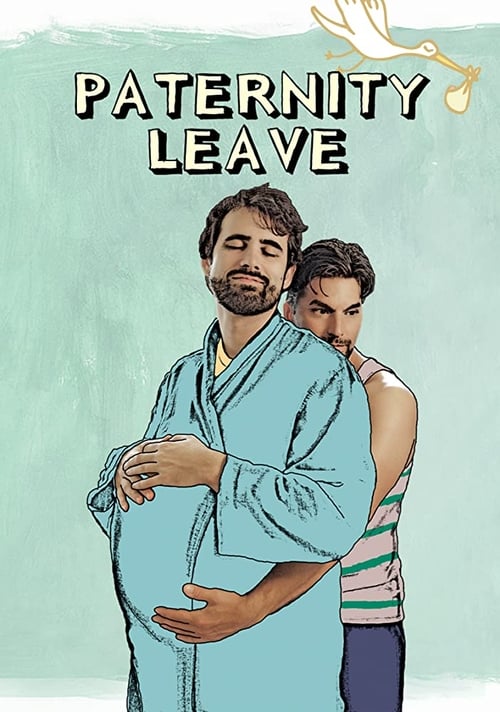
Paternity Leave
2015
No user ratings available yet
Representation score: 4.3 out of 10

Representation Score
Fair
2016
Director
Gustavo Loza
Runtime
113 minutes
Average Rating
No ratings yetNew Showbiz Analysis
Don't Blame the Kid offers a moderate exploration of contemporary social dynamics through a domestic lens. It succeeds by portraying a male lead defined by emotional inadequacy rather than patriarchal strength, thus subverting traditional masculine roles. While the film provides a non-Western perspective on modern domesticity, it lacks deeper complexity in its portrayal of diverse identities. The narrative remains centered on a standard straight-centered framework typical of the romantic comedy genre. Ultimately, the film explores the disruption of the traditional family unit without delving into broader systemic critiques or social complexities.
Category Breakdown
The film centers on a heterosexual relationship and pregnancy. There are no queer identities or non-straight storylines.
The movie challenges traditional masculinity by focusing on a woman's decision-making. It portrays the male character as emotionally immature, deviating from conventional masculine ideals.
Set within the Mexican cinematic context, the film presents a non-white perspective. It moves away from the uniform Western family structures found in global media.
The story examines non-traditional partnership models and individual empowerment. It prioritizes situational ethics over strict adherence to traditional religious or familial structures.
There are no identifiable depictions of physical, neurodivergent, or mental health disabilities serving as central plot drivers.
Present on Screen
Limited or Absent
Official Synopsis
After a one-night stand results in pregnancy, a young woman decides to become partners with the emotionally immature father-to-be.
2015

2023

2009

2013

2011

2014

2007
2018
No reviews yet. Be the first to share your thoughts on this movie!
Use the rating form above to leave a star rating and optional review.