A Hole in the Sky
2013
No user ratings available yet
Representation score: 4.3 out of 10
Representation Score
Good
2013
Director
Mati Diop
Runtime
45 minutes
Average Rating
No ratings yetNew Showbiz Analysis
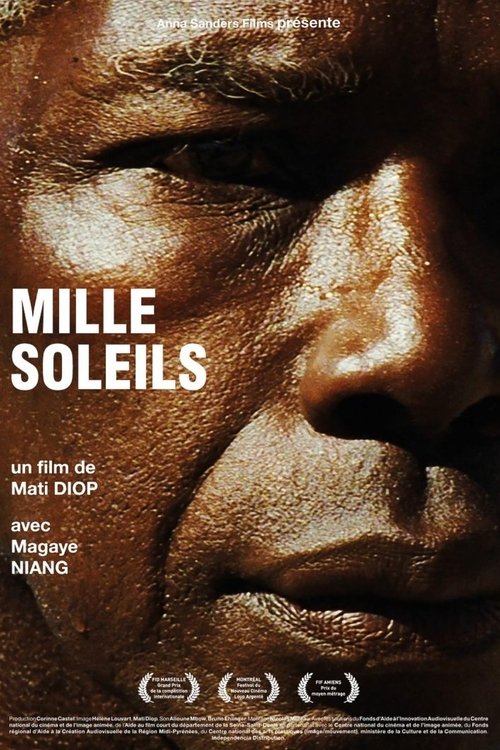
A Thousand Suns is a reflective documentary that effectively challenges Western-centric cinema. By exploring the allure of Paris from the perspective of those in Dakar, it transforms local histories into universal myths. The film's greatest strength lies in its sophisticated examination of post-colonial dynamics. It presents the tension between ancestral land and Western mobility as a central, meaningful conflict rather than a mere backdrop. While the film shines in its cultural and racial representation, it falls short in depicting non-assuming gender matches what was assigned at birth identities and disabilities. However, its focus on subjective, mythic morality offers a powerful alternative to conventional storytelling.
Category Breakdown
The film focuses on the heterosexual relationship between Mory and Anta. Although it delves into emotional fluidity, it does not explicitly depict non-binary or LGBTQ+ identities.
Anta is shown taking decisive action by leaving for Paris. The film avoids passive female stereotypes by highlighting how her choices shape the male protagonist's journey.
This work excels at centering African perspectives and dismantling the Western gaze. It prioritizes Senegalese history and local stories as the main focus of the film.
The film provides a profound post-colonial critique, presenting the pursuit of Western ideals as a source of division. It emphasizes mythic morality over Western linear progression.
There is no significant evidence regarding the portrayal of physical or neurodivergent disabilities within the film's narrative.
Present on Screen
Limited or Absent
Official Synopsis
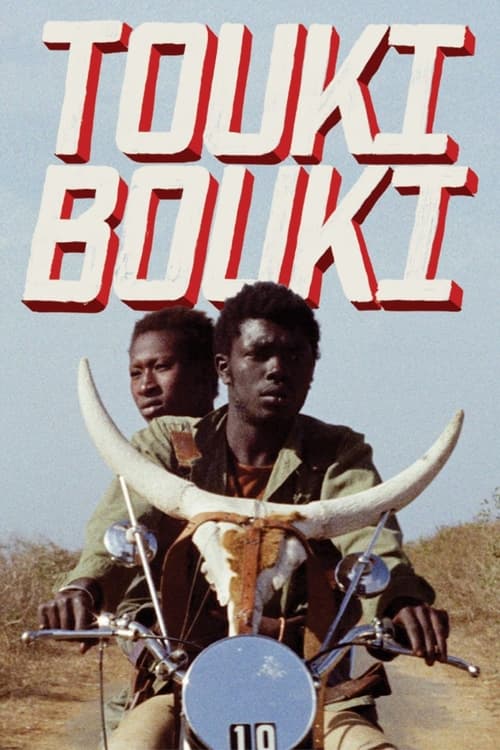
In 1972, Djibril Diop Mambety shoots "Touki Bouki." Mory and Anta are in love. Two young lovers share the same dream: to leave Dakar for Paris. At the fateful moment, Anta embarks. Mory stays alone on quay, unable to tear himself away from his land. Forty years later, "A Thousand Suns" investigates the personal and universal inheritance which represents "Touki Bouki." What has happened since? Magaye Niang, the hero of the movie, has never left Dakar. And today, the old cowboy wonders where Anta is, the love of his youth. Stories about family, exile and cinema meet between the sphere of intimacy and that of myth.
2013
1973

2022

1988
2011

2018

2001

2009
No reviews yet. Be the first to share your thoughts on this movie!
Use the rating form above to leave a star rating and optional review.