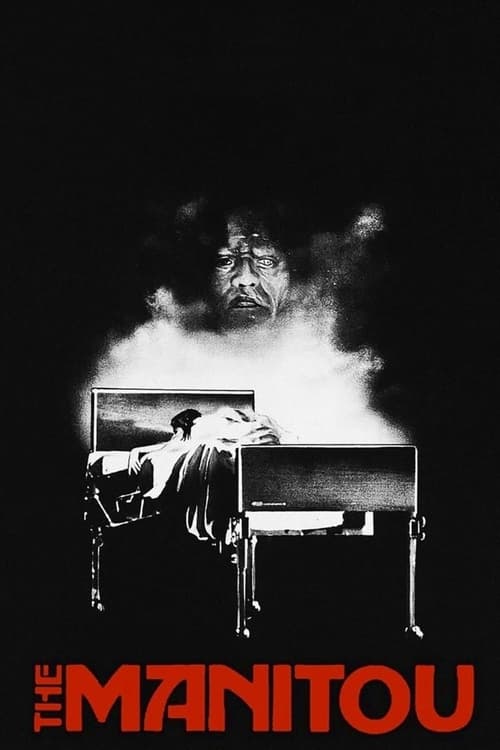
The Manitou
1978
No user ratings available yet
Diversity score: 4.2 out of 10
1978
RDirector
Larry Cohen
Runtime
91 minutes
Average Rating
No ratings yetSynopsis
Maternity wards echo with the patter of tiny claws as more murderous baby-faced monsters are born. But rather than kill their monstrous offspring during delivery, cursed parents flee to secret incubation hideouts.
Overall Score
Limited
Category Breakdown
LGBTQ+ Representation
The film lacks any discernible LGBTQ+ characters or narratives. The story focuses strictly on biological reproduction and the parental responses to anomalous offspring.
Gender Representation
The narrative centers on paternal dynamics and male protagonists navigating a biological crisis. While it avoids traditional masculine leadership tropes, women lack the structural agency to drive the plot.
Racial & Ethnic Diversity
Set in New York City, the film uses a metropolitan backdrop but does not prioritize intersectional casting. Characters serve as vessels for horror rather than representatives of specific ethnic identities.
Religious & Cultural Diversity
The film critiques the reliability of Western institutions by framing maternity wards and homes as sites of terror. It explores systemic skepticism through characters operating outside official institutional control.
Disability Representation
There is no meaningful representation of neurodivergence or physical disability. The monstrous offspring function as a biological horror device rather than a nuanced exploration of lived experience.
Strengths
Areas for Improvement
AI Analysis
Larry Cohen’s horror film prioritizes biological suspense and the destabilization of the domestic sphere over social representation. The narrative architecture focuses on the breakdown of the nuclear family and the failure of institutions like maternity wards to provide safety. While the film avoids some traditional tropes of masculine leadership, it lacks structural agency for female characters and provides no meaningful representation for LGBTQ+ or disabled identities. The characters primarily serve the central biological horror motif. The film's most progressive element is its skepticism toward established social structures. By portraying the home and hospital as sites of unpredictability, it challenges the perceived stability of traditional Western institutions.
1978
2008
1958
1964
1979
1972
1977

1988
1979

1976

1959
1988
No reviews yet. Be the first to share your thoughts on this movie!
Use the rating form above to leave a star rating and optional review.