Bill Evans Time Remembered
2015
No user ratings available yet
Representation score: 4.9 out of 10
Representation Score
Fair
1988
Director
Bruce Weber
Runtime
120 minutes
Average Rating
No ratings yetNew Showbiz Analysis
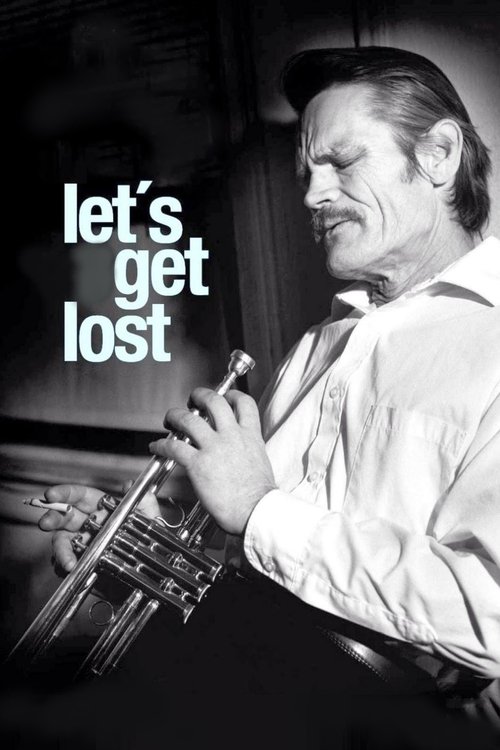
Bruce Weber’s documentary on Chet Baker is a specialized exploration of identity through aestheticized male sensuality. It succeeds in disrupting traditional male clichés by employing a visual language that emphasizes vulnerability and grace over aggression. However, the film's impact on diversity is significantly limited. The narrow racial focus and adherence to a specific, privileged socioeconomic aesthetic prevent it from engaging with a broader spectrum of human experience. Ultimately, the work functions as a high-fashion study of the male form rather than a broad social critique, trading inclusivity for a highly specific, Eurocentric aesthetic.
Category Breakdown
The film uses a highly stylized, homoerotic lens that celebrates queer sensibilities. It replaces traditional masculine toughness with vulnerability and focuses on male intimacy.
Masculinity is deconstructed by emphasizing softness and leisure over dominance. The film challenges traditional hierarchies by centering the male physique through a sensual, non-utilitarian gaze.
The visual palette is notably homogeneous, focusing almost exclusively on white, athletic subjects. It lacks intentional racial blending or the inclusion of non-Anglo-Saxon identities.
The narrative prioritizes romanticized wanderlust and individualistic leisure over social structures. It exists within a vacuum of aestheticized privilege rather than a subversive political framework.
There are no discernible depictions of physical or neurodivergent disabilities. The focus remains strictly on the idealized, able-bodied male form.
Present on Screen
Limited or Absent
Official Synopsis
Documentary about jazz great Chet Baker that intercuts footage from the 1950s, when he was part of West Coast Cool, and from his last years. We see the young Baker, he of the beautiful face, in California and in Italy, where he appeared in at least one movie and at least one jail cell (for drug possession). And, we see the aged Baker, detached, indifferent, his face a ruin. Includes interviews with his children and ex-wife, women companions, and musicians.
2015
1999
2004
1986
2003
2018

2020
2015
No reviews yet. Be the first to share your thoughts on this movie!
Use the rating form above to leave a star rating and optional review.