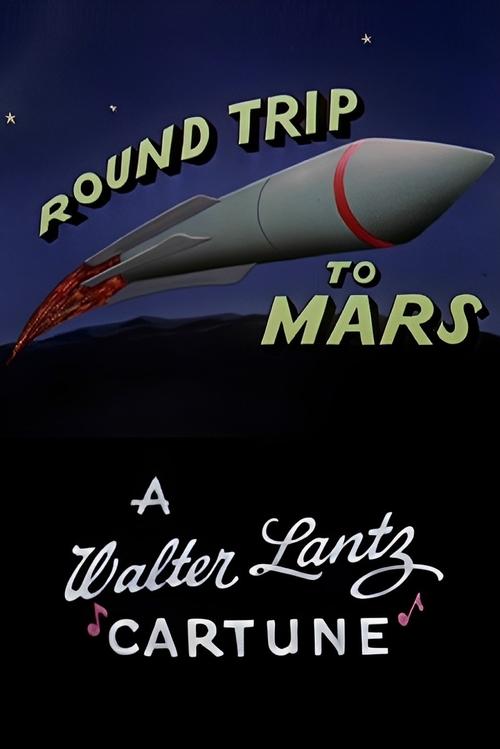
Round Trip to Mars
1957
No user ratings available yet
Representation score: 1.3 out of 10
Representation Score
Minimal
1956
NRDirector
Carl Urbano
Runtime
14 minutes
Average Rating
No ratings yetNew Showbiz Analysis
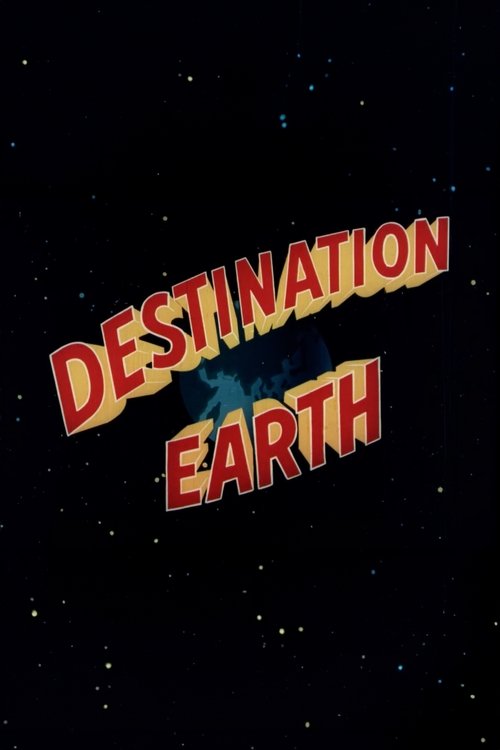
Destination Earth is a product of its era, functioning primarily as a reinforcement of mid-century Western values. The narrative architecture prioritizes established socio-economic hierarchies and capitalist ideals over any form of systemic critique. The focus on American prosperity and free enterprise suggests a traditionalist framework. This approach centers on Western hegemony, offering a perspective that celebrates national success rather than exploring diverse human experiences. Ultimately, the film lacks the hallmarks of moral relativism or storytelling that reflects multiple aspects of identity. It presents a homogeneous view of success that aligns with the era's dominant cultural and economic norms.
Category Breakdown
The film does not include any representation of LGBTQ+ identities or same-sex relationships. The story focuses solely on geopolitical and economic themes.
The story centers on a Martian explorer and emphasizes American prosperity. This likely adheres to traditional 1950s gender hierarchies, emphasizing masculine-coded exploration and leadership.
The premise suggests a narrative centered on Western hegemony. It lacks evidence of multi-layered character depth or race-bent casting, aligning with Anglo-centric depictions of the era.
The film functions as a celebration of traditional Western institutions. It reinforces capitalist ideals and patriotic sentiment by framing oil and free enterprise as universal secrets to success.
There is no indication that characters with visible or invisible disabilities are integrated into the story or given real depth.
Present on Screen
Limited or Absent
Official Synopsis
A Martian explorer discovers the secrets behind the USA's prosperity — oil and free enterprise.
1957
1987
1967

1982
1946
1963
1960
1959
No reviews yet. Be the first to share your thoughts on this movie!
Use the rating form above to leave a star rating and optional review.