
The Powerpuff Girls: Crime 101
1996
No user ratings available yet
Diversity score: 6.0 out of 10
2003
Director
Konstantin Bronzit
Runtime
4 minutes
Average Rating
No ratings yetSynopsis
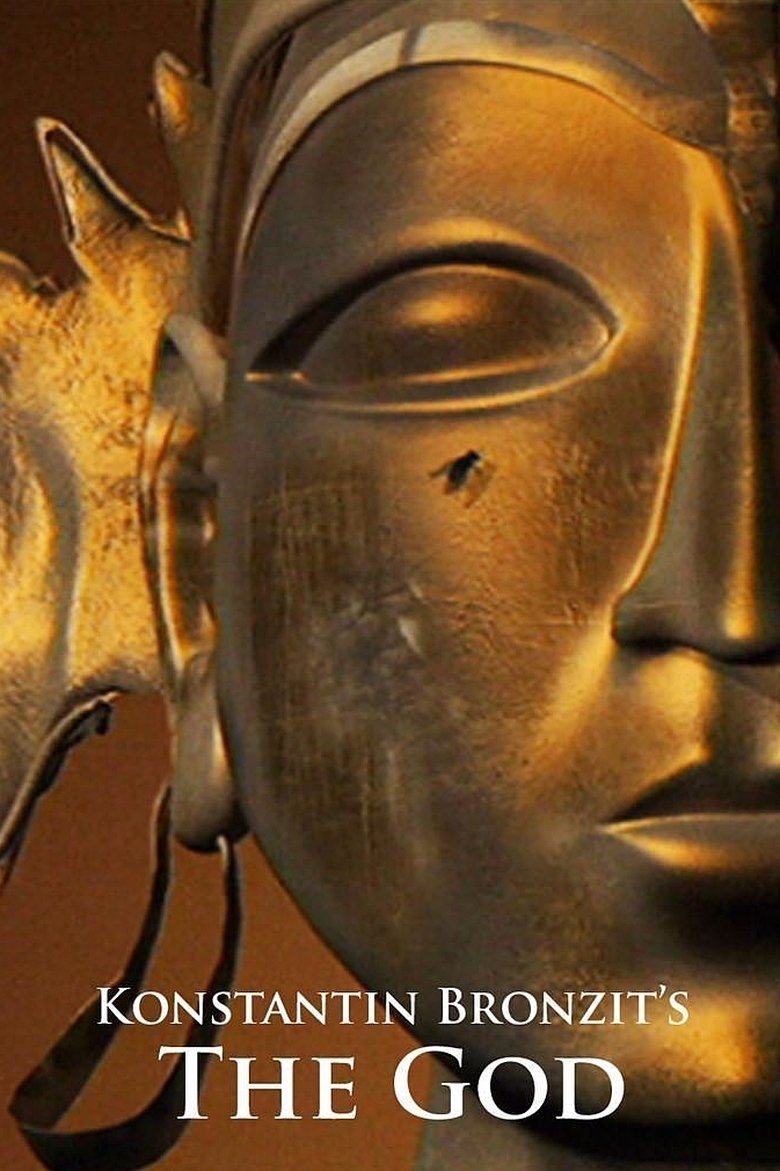
The film shows Shiva in a very traditional representation--in bronze and standing within a circle of bronze flames. Suddenly, a fly lands on Shiva's arm--one of many arms to be exact. Slowly, the bronze statue comes alive and swats the fly--missing again and again and eventually smashing the bronze circle.
Overall Score
Good
Category Breakdown
LGBTQ+ Representation
The film features genderless, non-binary entities that bypass traditional romantic hierarchies. However, the absence of explicit queer identities or specific character arcs limits the depth of this representation.
Gender Representation
By presenting a central figure that exists outside the binary, the film subverts traditional gender hierarchies. It avoids reinforcing masculine leadership by focusing on the absurdity of the deity's physical movements.
Racial & Ethnic Diversity
The use of Shiva iconography serves as a metaphorical tool rather than a direct ethnic exploration. While it departs from Anglo-centric archetypes, it functions primarily as religious allegory.
Religious & Cultural Diversity
The narrative excels by presenting a deity subject to physical frustration rather than moral dogma. This deconstruction of a divine arbiter favors a postmodern, situational reality over religious institution.
Disability Representation
There are no depictions of human disability or neurodivergence. The character's movements are driven by surrealist plot requirements rather than any representation of physical or mental impairment.
Strengths
Areas for Improvement
AI Analysis
The film uses a surrealist lens to deconstruct the divine archetype, transforming a static icon into a flawed, kinetic entity. This approach challenges traditional power structures and religious sanctity by replacing reverence with absurdity. While the film avoids reinforcing heteronormative or patriarchal hierarchies through its non-binary characterization, it lacks specific, identity-driven narratives. The representation is more a byproduct of its deconstructive style than a direct exploration of diverse identities. Ultimately, the work succeeds as a postmodern critique of authority. It moves away from monolithic religious depictions to explore the chaotic, physical reality of existence.
1996
1970
1955
2014

2012
2014
1908
1991
1993

2012
2003
2005
No reviews yet. Be the first to share your thoughts on this movie!
Use the rating form above to leave a star rating and optional review.