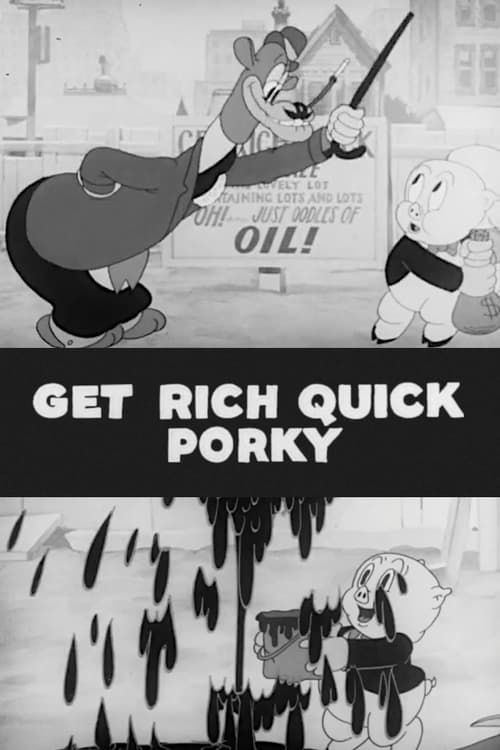
Get Rich Quick Porky
1937
No user ratings available yet
Representation score: 0.6 out of 10
Representation Score
Minimal
1937
Director
Tex Avery
Runtime
7 minutes
Average Rating
No ratings yetNew Showbiz Analysis
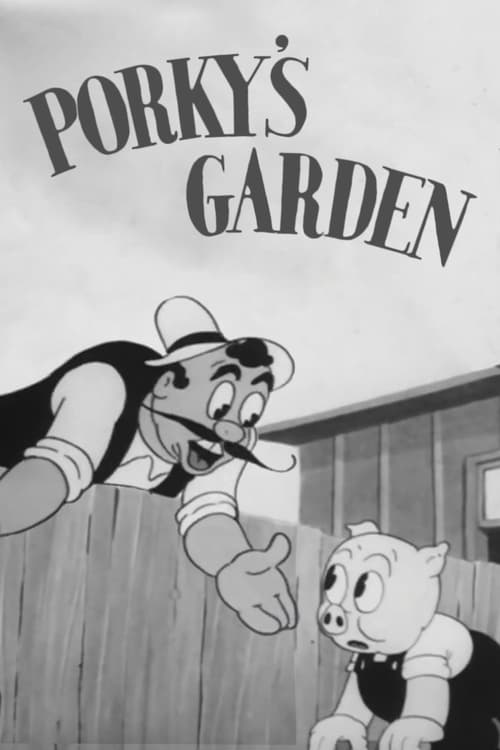
Porky's Garden is a standard comedic short that follows Porky's attempt at gardening. The narrative focuses on the slapstick chaos resulting from his efforts, prioritizing simple humor over complex social dynamics. The film reflects the era's tendency towards homogeneous character designs and traditional narrative structures. It lacks documented evidence of challenging social hierarchies or multi-layered complexity, functioning primarily as a character-driven comedy. Tex Avery's direction introduces non-conformist storytelling through disruptions of traditional character logic and physical stability.
Category Breakdown
The film does not include any characters with LGBTQ+ identities or narratives. There are no interactions that suggest queer representation.
The story centers on Porky, a singular male character who embodies traditional masculine traits of the bumbling laborer common in 1930s animation.
The animation features homogeneous character designs typical of its time. There is no indication of diverse casting or challenging Anglo-centric norms.
The premise involves a character trying to establish a garden, which hints at the instability of domestic order. However, it lacks explicit anti-institutional themes.
There is no information available regarding the depiction of neurodivergence or physical disabilities within this specific work.
Present on Screen
Limited or Absent
Official Synopsis
Porky decides to start a garden. Mayhem ensues.
1937
1938
1937
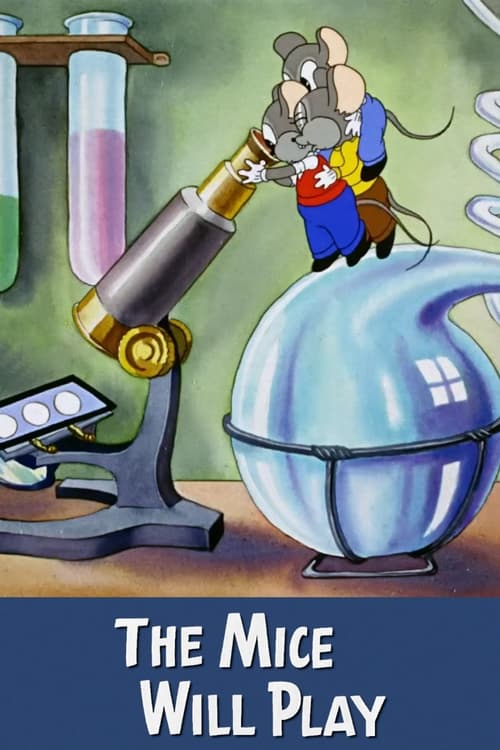
1938
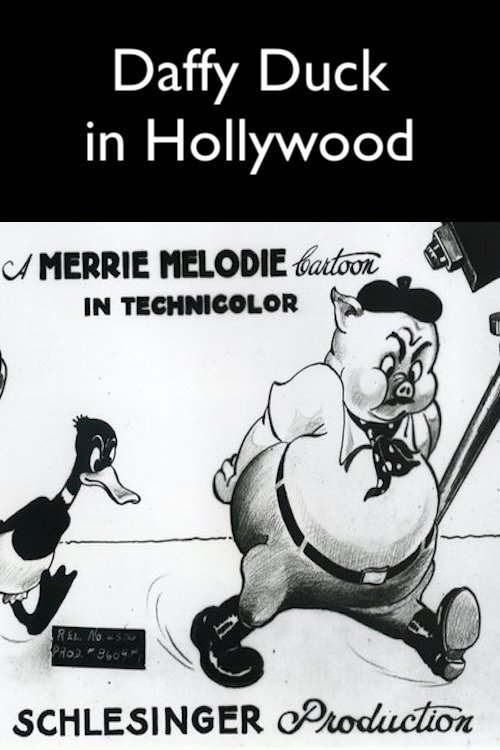
1938
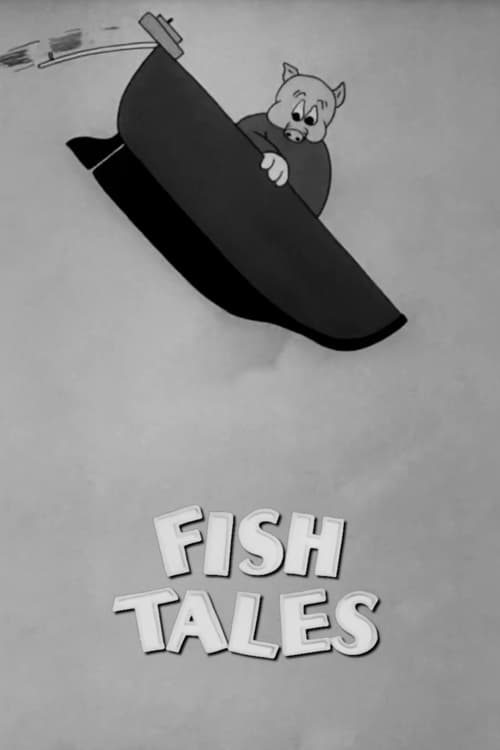
1936
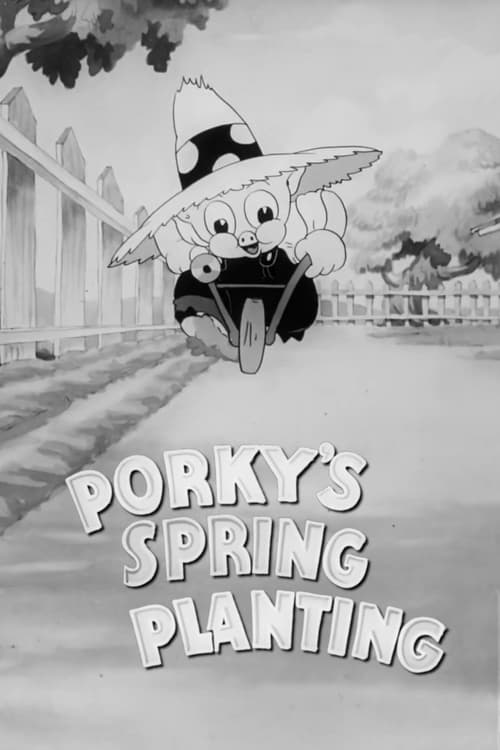
1938
1937
No reviews yet. Be the first to share your thoughts on this movie!
Use the rating form above to leave a star rating and optional review.