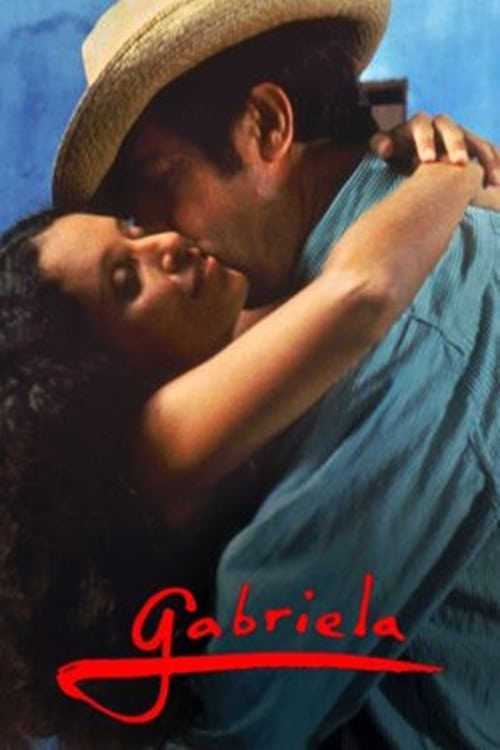
Gabriela
1983
No user ratings available yet
Representation score: 5.6 out of 10

Representation Score
Fair
1988
Director
Bruno Barreto
Runtime
90 minutes
Average Rating
No ratings yetNew Showbiz Analysis
The film functions as a critique of centralized power and rigid social hierarchies. It disrupts conventional historical clichés by prioritizing individual autonomy over imperial decree, focusing on the friction between personal freedom and systemic oppression. While the setting limits certain modern representations, the film achieves depth through its subversion of gendered power dynamics. The protagonist's struggle provides the primary moral weight of the story. Ultimately, the film uses its historical context to deconstruct imperial authority and highlight the socioeconomic divides of the era.
Category Breakdown
The film adheres to the historical constraints of its setting. There are no depictions of non-binary gender identities or same-sex relationships.
Fausta is a central figure who navigates a restrictive patriarchal structure through intellect and survival instincts. The film challenges traditional hierarchies by portraying imperial male authority as decadent and unstable.
The cast reflects the demographic realities of the Roman Empire. It avoids contemporary Western homogeneity by grounding its visual language in a specific Greco-Roman aesthetic.
The narrative excels in its critique of institutional corruption and the Roman State. It frames the ruling class as a source of systemic dysfunction rather than order.
There are no prominent depictions of visible or invisible disabilities that serve as central narrative drivers.
Present on Screen
Limited or Absent
Official Synopsis
An unhappily married cleaning woman in the slums of Rio entices all the money and gifts she can out of an elderly widower.
1983
1984

1979

1993
1994
1973

1942
2001
No reviews yet. Be the first to share your thoughts on this movie!
Use the rating form above to leave a star rating and optional review.