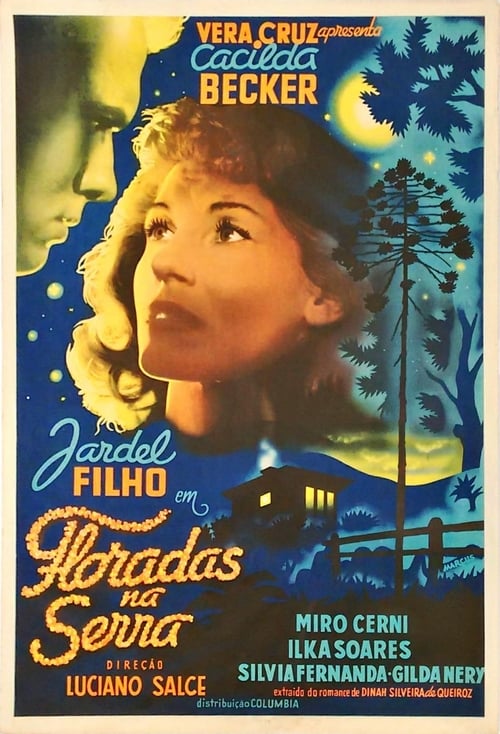
Floradas na Serra
1954
No user ratings available yet
Representation score: 4.1 out of 10

Representation Score
Fair
1942
Director
Humberto Mauro
Runtime
90 minutes
Average Rating
No ratings yetNew Showbiz Analysis
Clay is shaped by its historical context, using classic romantic structures to explore class mobility. While Luciana’s economic power offers a subtle challenge to traditional gender roles, the film lacks complexity in addressing multiple aspects of diversity. The narrative relies on conventional clichés, using physical injury as a plot device rather than delving deeply into disability. The story focuses on the romance between a worker and an elite member of society. Ultimately, Clay prioritizes class-based storytelling and traditional romantic paradigms, missing opportunities for broader systemic critique or diverse representation.
Category Breakdown
The film follows a traditional romantic storyline between Gilberto and Luciana. There is no indication of non-straight relationships or queer undertones.
Luciana holds economic power as a wealthy widow, disrupting typical gender hierarchies. She provides for and cares for others, yet the story centers on romantic resolution.
The narrative emphasizes class distinctions among artisans and the elite. This focus on social hierarchy suggests a Eurocentric perspective.
The story examines the relationship between artisanal work and the aristocracy. It highlights the value of labor while maintaining traditional social mobility.
Gilberto’s accident serves as a plot device to develop the characters and deepen the romance. However, his disability is used mainly to advance the central love story.
Present on Screen
Limited or Absent
Official Synopsis
In Rio de Janeiro, Gilberto (Celso Guimarães) is a talented artisan engaged of Marina (Lídia Mattos), working in a pottery factory. He is hired by the millionaire widow Luciana (Carmem Santos) to perform a restoration in her castle in Correas, a district of Petrópolis. He suffers an accident and Luciana lodges and treats him for a long period, and they fall in love for each other.
1954
1927
1928

1961

1983

1951
1942
1955
No reviews yet. Be the first to share your thoughts on this movie!
Use the rating form above to leave a star rating and optional review.