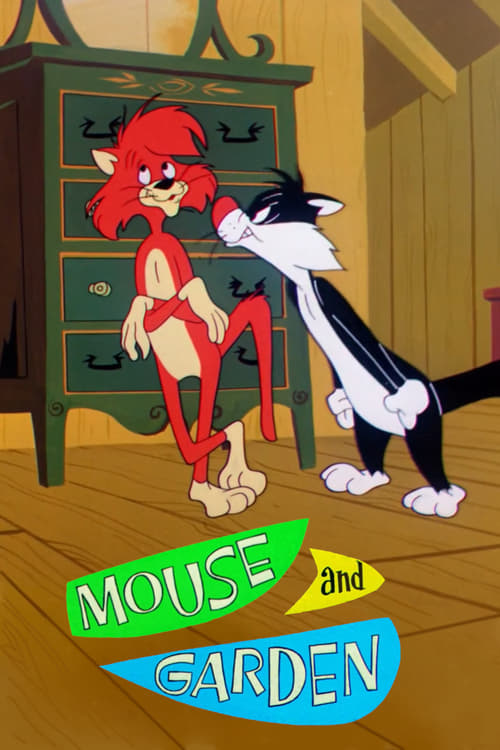
Mouse and Garden
1960
No user ratings available yet
Representation score: 2.0 out of 10
Representation Score
Minimal
1959
NRDirector
Friz Freleng
Runtime
7 minutes
Average Rating
No ratings yetNew Showbiz Analysis
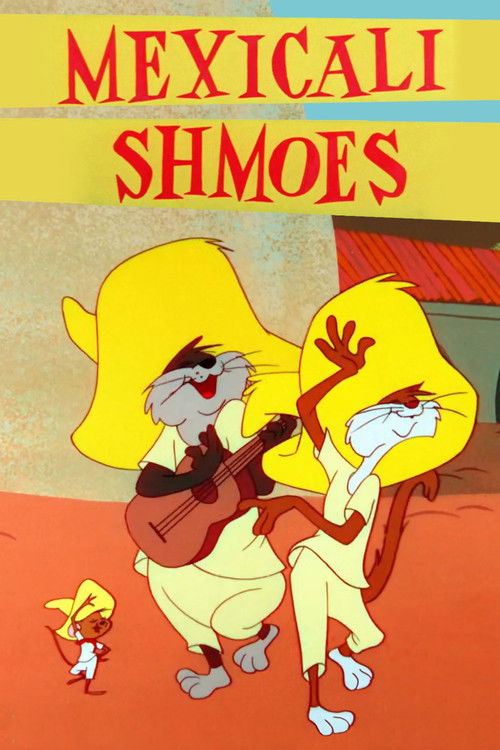
Mexicali Shmoes is a product of its time, prioritizing slapstick humor over social complexity. The narrative depends on well-established comedic archetypes that don't challenge existing social structures. While the film includes ethnic representation through a Mexican setting, it leans heavily on 1950s caricatures. The character dynamics are driven by conflict and temperament, rather than identity exploration. Ultimately, the film lacks the intentionality needed for meaningful characters who reflect more than one aspect of diversity, focusing instead on traditional chase sequences and physical humor.
Category Breakdown
The film centers on a chase between cats and a mouse, with no representation of LGBTQ+ identities or relationships.
The story revolves around male cats and a mouse, relying on traditional slapstick comedy rather than challenging gender norms.
The film features a Mexican setting and characters, but the portrayal relies on outdated stereotypes from the 1950s.
The movie emphasizes physical comedy within a traditional mid-century framework, without addressing institutional power or secular themes.
There are no visible or hidden disabilities shown. Intelligence is used for comedic effect rather than exploring neurodiversity.
Present on Screen
Limited or Absent
Official Synopsis
A pair of not-too-bright Mexican cats, one shorter-tempered than the other, decide to chase Speedy Gonzales, the fastest mouse in all Mexico.
1960
1961
1935

1950
1936

1969
1952

1952
No reviews yet. Be the first to share your thoughts on this movie!
Use the rating form above to leave a star rating and optional review.