Jimmy P.
2013
No user ratings available yet
Representation score: 6.6 out of 10
Representation Score
Fair
2012
RDirector
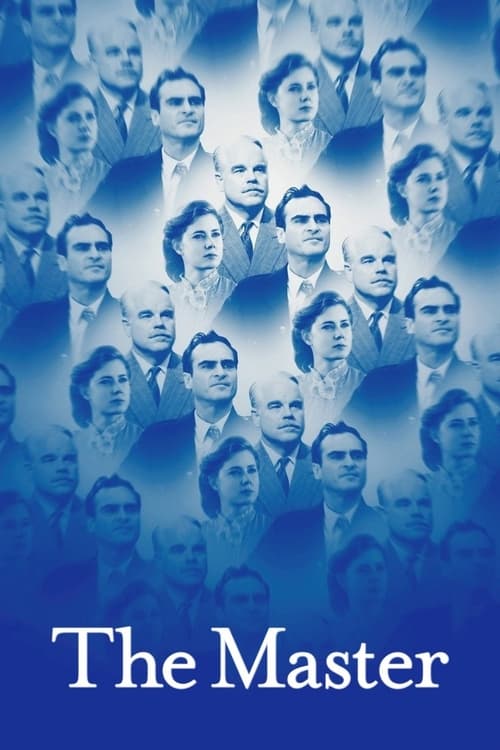
Paul Thomas Anderson
Runtime
137 minutes
Average Rating
No ratings yetNew Showbiz Analysis
The Master is a period drama that emphasizes psychological complexity over diverse representation. While the casting reflects the socioeconomic makeup of the late 1940s, the film excels in its narrative structure. It goes beyond surface-level representation by questioning authority and religious norms. The film successfully depicts trauma and psychological instability with nuance. By giving the protagonist a strong role despite his volatility, it avoids common pitfalls in disability representation. However, the absence of LGBTQ+ visibility and limited conversations between women keep the demographic scores low. Overall, the film serves as a sophisticated critique of mid-century social structures. It replaces conventional social order with a candid look at the human condition and moral ambiguity.
Category Breakdown
The film centers on a close relationship between two men but doesn't explicitly address their sexual orientation or gender identity. It follows the typical post-war assumptions about relationships.
Amy is portrayed as an intelligent and stabilizing force, avoiding the stereotype of a submissive woman. However, the film lacks substantial conversations between women, which limits the challenge to traditional gender roles.
The movie reflects the racial uniformity of post-war America. While it avoids harmful stereotypes, it doesn't include much ethnic diversity among the main characters.
The film provides a thoughtful critique of organized religions and authority figures. It presents anti-social behavior as a genuine reaction to systemic issues.
Freddie Quell's PTSD and mental health struggles are shown with depth and dignity. The film avoids mocking him and instead portrays his condition as a complex part of his life.
Present on Screen
Limited or Absent
Official Synopsis
Freddie, a volatile, heavy-drinking veteran who suffers from post-traumatic stress disorder, finds some semblance of a family when he stumbles onto the ship of Lancaster Dodd, the charismatic leader of a new "religion" he forms after World War II.
2013
2017

2018
1945

2022

1989
1984

1959
No reviews yet. Be the first to share your thoughts on this movie!
Use the rating form above to leave a star rating and optional review.