The Master
2012
No user ratings available yet
Representation score: 5.5 out of 10
Representation Score
Good
2013
UnratedDirector
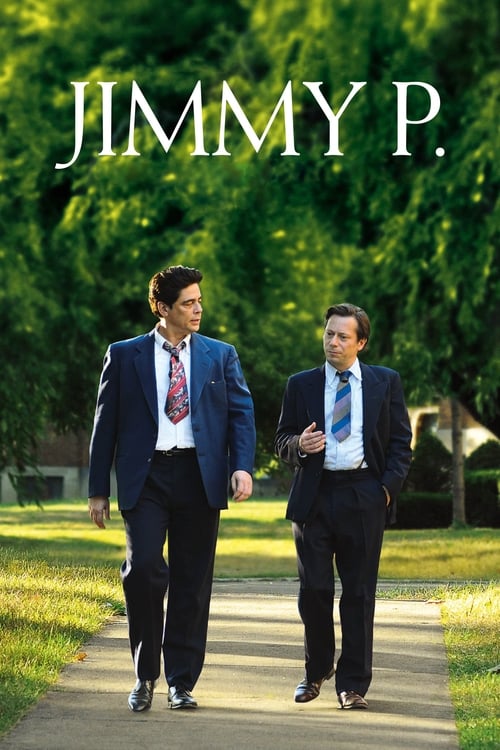
Arnaud Desplechin
Runtime
117 minutes
Average Rating
No ratings yetNew Showbiz Analysis
Arnaud Desplechin’s drama stands out by featuring a Native American Blackfoot veteran within a European historical context, challenging the homogeneity of post-WWII cinema. The film excels in its nuanced exploration of mental health, granting the protagonist significant influence despite his psychological decline. However, the film’s social scope remains limited. It offers minimal representation for LGBTQ+ identities and does not actively challenge traditional gender roles. Overall, the film is a complex examination of the individual versus the institution, prioritizing deep psychological exploration over broad social diversity.
Category Breakdown
The film does not feature prominent LGBTQ+ characters or identities outside of traditional heterosexual relationships. It focuses on the protagonist's psychological instability within a conventional social framework.
The story examines the breakdown of relationships through the protagonist's failed connections with women. It highlights the collapse of traditional family structures without actively challenging gender stereotypes.
The film centers around a Native American Blackfoot veteran, providing a unique perspective that challenges the traditionally Eurocentric view of post-WWII French cinema. This casting adds a layered, multi-faceted dimension to the protagonist's psychological journey.
The film criticizes rigid systems by depicting medical and psychiatric institutions as inflexible. It emphasizes subjective reality and moral relativism over standard social or institutional norms.
The narrative offers a detailed, empowered portrayal of neurodivergence, focusing on the internal experience of mental health rather than using the condition merely as a plot device.
Present on Screen
Limited or Absent
Official Synopsis
At the end of WWII, Jimmy Picard, a Native American Blackfoot who fought in France, suffers from unexplainable symptoms and is admitted to a military hospital. When doctors suspect schizophrenia, an eccentric psychoanalyst takes up the case and starts a conversation with the veteran.
2012
1984
2017
1995

2022
1971

2006

2018
No reviews yet. Be the first to share your thoughts on this movie!
Use the rating form above to leave a star rating and optional review.