
The Return of Superfly
1990
No user ratings available yet
Representation score: 3.1 out of 10
Representation Score
Limited
1959
NRDirector
Paul Stanley
Runtime
83 minutes
Average Rating
No ratings yetNew Showbiz Analysis
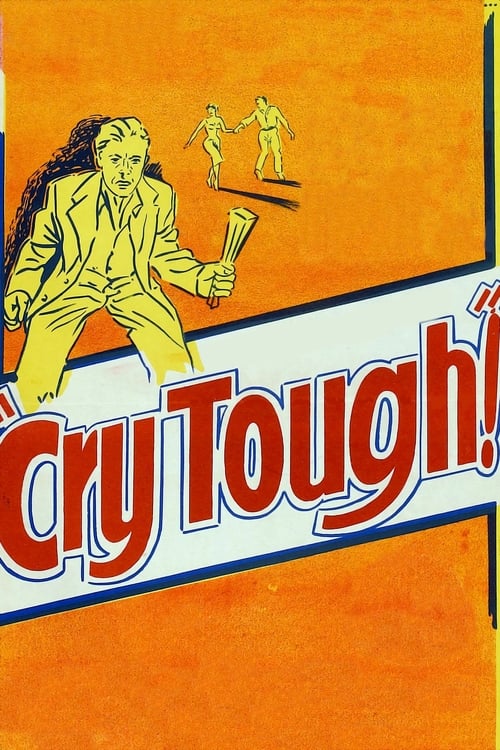
Cry Tough is a typical 1959 crime drama that reflects the social norms of its time. While it features a Latino lead, breaking the mold of predominantly white casts, it still follows traditional genre clichés and moral structures. The film's strength lies in its representation of a Latino protagonist, but it falls short in providing deeper, layered character development and challenges to traditional gender roles and moral norms.
Category Breakdown
The film does not include any LGBTQ+ characters or stories that challenge the idea that everyone is straight or cisgender. It follows the strict social rules and traditional structures common in 1959 cinema.
The story likely supports traditional gender roles where women have smaller roles and men control the main conflicts. Women are mostly in secondary or domestic positions while men drive the plot.
The film includes a Latino protagonist, which is meaningful representation for the time. However, this could play into the stereotype of Latinos being associated with crime, which was common in the era.
The story follows the moral standards of the mid-1950s. It focuses on reintegrating the main character into society after a crime, following the usual path of redemption without challenging religious or cultural institutions.
There is no mention of how physical or neurodivergent disabilities are portrayed in the film.
Present on Screen
Limited or Absent
Official Synopsis
After getting out of prison, a Latino criminal tries to go straight.
1990

1973
1978

1992
1950
2012
1969
1949
No reviews yet. Be the first to share your thoughts on this movie!
Use the rating form above to leave a star rating and optional review.