Phil Spitalny and His Musical Queens
1934
No user ratings available yet
Representation score: 3.4 out of 10
Representation Score
Limited
1936
ApprovedDirector
Joseph Henabery
Runtime
10 minutes
Average Rating
No ratings yetNew Showbiz Analysis
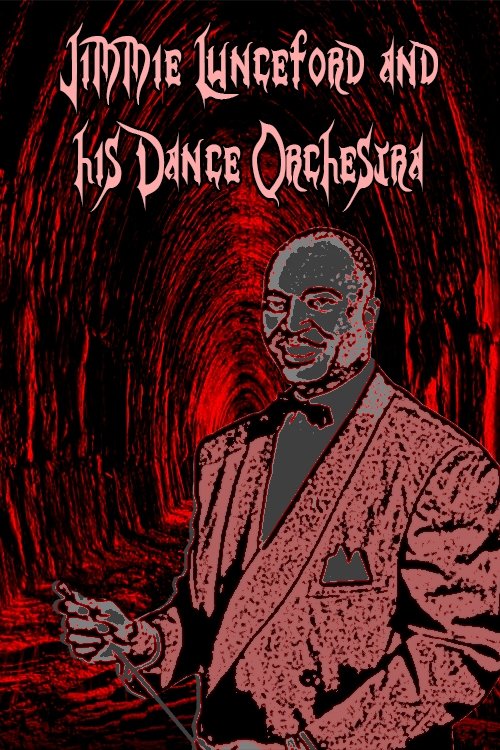
The film opens with a direct address from Satan in Hell, a brief supernatural framing device that pivots immediately to a soundstage where Jimmie Lunceford, clad in a sharp tuxedo, declares rhythm the orchestra’s business. This transition from the infernal to the professional sets the tone: a secular, meritocratic showcase where the only currency is musical skill. The camera treats the all-Black ensemble not as a sociological subject but as a high-functioning machine, lingering on Lunceford’s conducting and the Three Brown Jacks’ precise tap work. The sold meaning is one of unapologetic Black excellence, framed through the lens of 1930s swing glamour. There is no struggle, no oppression, and no white gaze to mediate the performance; the value lies entirely in the sonic and visual spectacle. Lunceford is the charismatic center, the "Self" who commands the room, while the supporting performers function as extensions of his rhythmic vision. Myra Johnson’s vocal appearance adds a feminine counterpoint, but the hierarchy remains firmly male-led, with the women serving as polished accents to the band’s masculine energy. The ending reinforces this professionalist argument: the band strips away their tuxedo jackets to form a makeshift percussion section, a visual metaphor for raw, unadorned talent. The final image is not a moral lesson or a political statement, but a fade-out on the ensemble in full motion. The film’s argument is that skill itself is the highest form of cultural capital, and in this frame, the Lunceford orchestra possesses it in abundance. It is a celebration of craft that bypasses the era’s typical racial narratives, offering instead a pure, if limited, affirmation of professional mastery.
Category Breakdown
The 1936 showcase features no same-sex intimacy, queer identity, or non-binary presence. Interactions remain strictly professional and heteronormative within the era’s performance context.
Jimmie Lunceford commands the stage as the authoritative bandleader, while Myra Johnson performs as a featured vocalist. The camera centers male leadership, treating the female presence as a complementary spectacle rather than a co-equal authority.
The film centers an all-Black ensemble, with Jimmie Lunceford and the Three Brown Jacks driving the narrative energy. Black musical excellence is the primary subject, depicted with authenticity and stylistic confidence rather than as a token backdrop.
The piece treats musical merit and professional skill as the sole cultural value. It avoids political commentary or institutional critique, presenting the orchestra’s success as a self-contained celebration of artistic talent without challenging broader societal hierarchies.
No characters display physical, sensory, or cognitive impairments. The focus remains entirely on the physical dexterity and rhythmic precision of the able-bodied performers.
Present on Screen
Limited or Absent
Official Synopsis
In Hell, Satan appears to tell us that rhythm is coming to life again, then we're taken to a sound stage where Jimmie Lunceford conducts his dance orchestra. He's in black tie and a tuxedo of white tales and black trousers. He announces that rhythm is our business, and that's the orchestra's first number, with vocal, sax, bass, and trumpet solos. Myra Johnson sings "You Can't Pull the Wool Over My Eyes" in her animated style, the Three Brown Jacks tap dance, and the short closes with two up-tempo numbers with two sax players tap dancing and the horn players taking off their tux coats to start a make-shift percussion section.
1934
1948
1942
1933
1931
1935

1942
1949
No reviews yet. Be the first to share your thoughts on this movie!
Use the rating form above to leave a star rating and optional review.