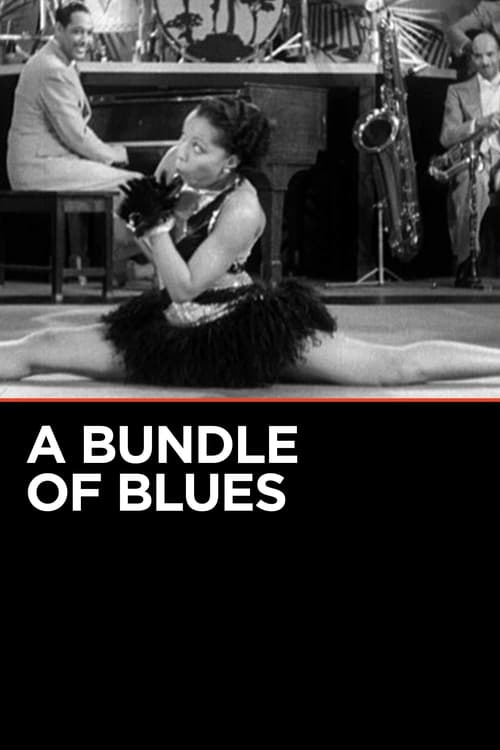
A Bundle of Blues
1933
No user ratings available yet
Representation score: 4.2 out of 10
No Poster Available
Representation Score
Limited
1935
ApprovedDirector
Fred Waller
Runtime
8 minutes
Average Rating
No ratings yetNew Showbiz Analysis
Cab Calloway's Jitterbug Party is a vital historical artifact that challenges 1930s segregationist norms by centering Black musical mastery and ability to act. By shifting the setting to a Harlem celebration, the film validates Black cultural spaces and provides high visibility for Black performers. While the film excels in racial representation, it remains bound by the social frameworks of its era. Gender roles follow traditional dance conventions, and there is no evidence of LGBTQ+ representation or disability-focused narratives. Ultimately, the film's strength lies in its celebration of cultural heritage and its role in showcasing Black excellence during the Swing Era.
Category Breakdown
The film highlights the swing era's communal and rhythmic aspects but does not depict any LGBTQ+ identities or same-sex relationships.
Women are shown as active and skilled participants in the jitterbug dance, demonstrating physical competence. However, the film follows traditional 1930s social dance conventions and hierarchies.
The film centers a Black cast and orchestra, moving from the Cotton Club to Harlem. This provides a platform for Black excellence and strong leadership.
The work celebrates Black joy and communal expression, prioritizing cultural authenticity over singular moralities found in contemporary studio productions.
There are no visible or invisible disabilities portrayed as central to the narrative or character arcs.
Present on Screen
Limited or Absent
Official Synopsis
Cab Calloway performs at the Cotton Club before he takes his friends down to Harlem for a jitterbug party.
1933
1929
1942
1945
1942
1934
1942
1942
No reviews yet. Be the first to share your thoughts on this movie!
Use the rating form above to leave a star rating and optional review.