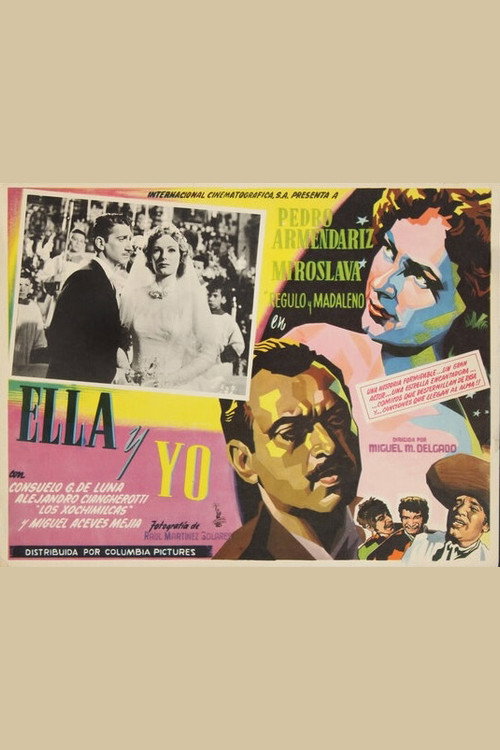
Ella y yo
1951
No user ratings available yet
Representation score: 3.0 out of 10
Representation Score
Limited
1951
Director
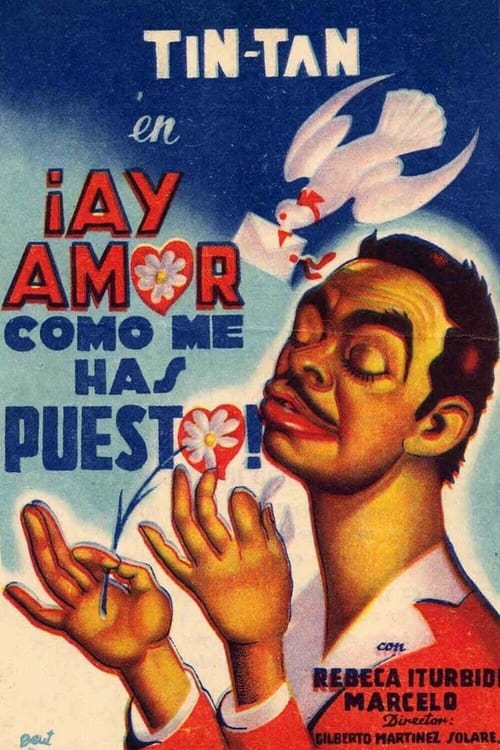
Gilberto Martínez Solares
Runtime
85 minutes
Average Rating
No ratings yetNew Showbiz Analysis
Gilberto Martínez Solares uses the tension between social classes to propel this mid-century comedy. By centering a Mexican cultural context, the film avoids the homogeneity typical of Hollywood’s era, but it remains tied to the traditional social hierarchies of the time. The film’s strength lies in its departure from Anglo-centric viewpoints and its attempt to challenge traditional gender roles through a resistant female lead. However, the narrative ultimately prioritizes social integration and conventional romantic resolutions over deeper systemic changes. Overall, the film serves as a social comedy that leverages class conflict to facilitate personal relationships, maintaining the romantic structures of the 1950s.
Category Breakdown
The film adheres to traditional romantic frameworks from 1951 without featuring any queer narratives or non-straight identities.
The female lead deviates slightly from submissive stereotypes by being bitter and resistant. However, the plot revolves around her transformation guided by a male protagonist.
Produced during the Golden Age of Mexican Cinema, the film centers on a Latin American cast. It examines social stratification within a local, non-Anglo-Saxon context.
The story explores the tension between different socio-economic groups, focusing on reconciling these diverse social worlds rather than critiquing the broader social order.
There are no characters with visible or invisible disabilities mentioned in the available narrative details.
Present on Screen
Limited or Absent
Official Synopsis
A low-class baker accidentally gets to know an attractive but bitter fiancée. By getting her snobby, dead-pan family to spend some time with his scumbag friends, he changes their lives, while at the time stealing the girl's heart.
1951
1992
1949
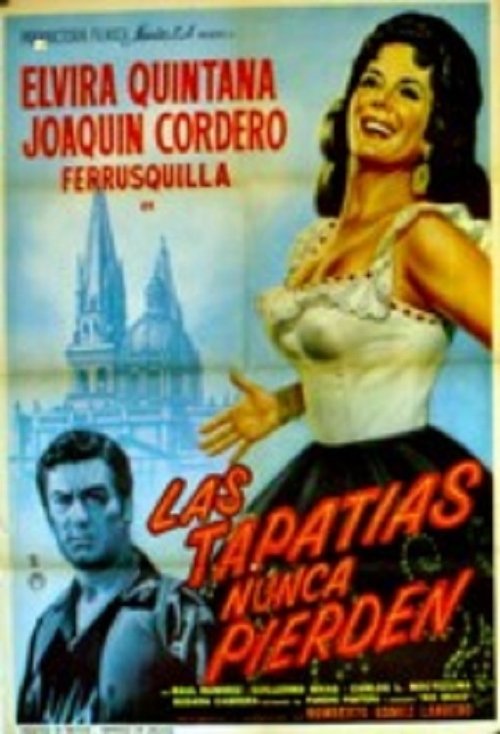
1965
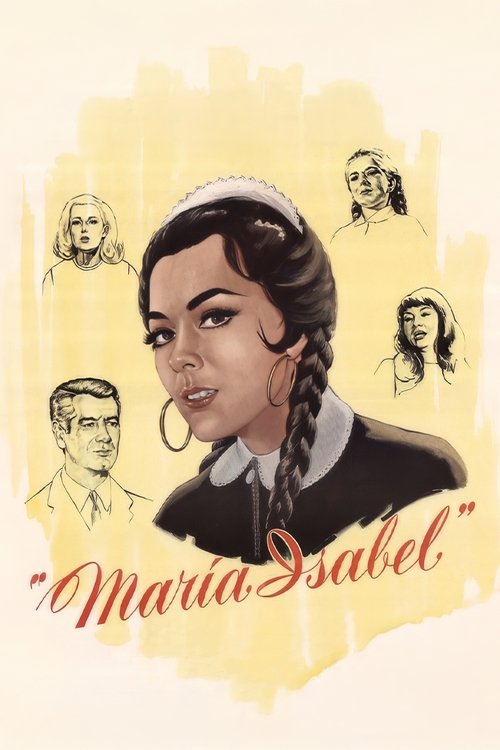
1967
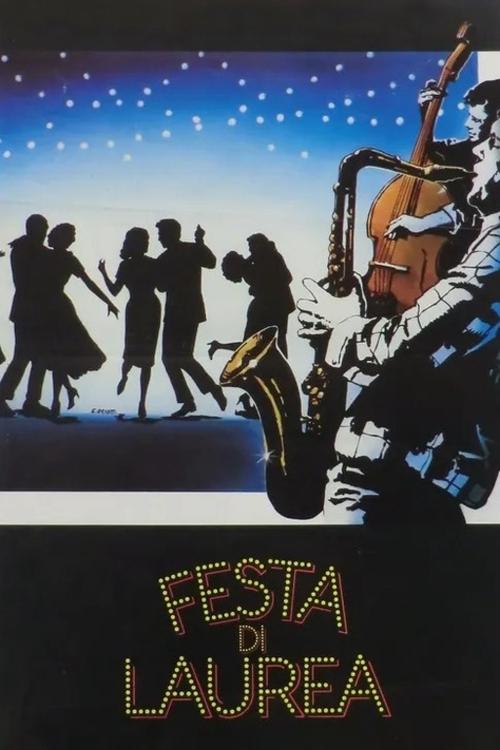
1985
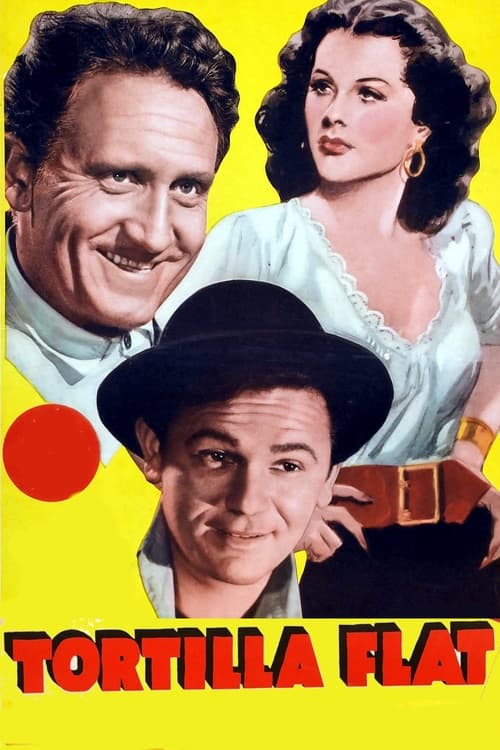
1942
1971
No reviews yet. Be the first to share your thoughts on this movie!
Use the rating form above to leave a star rating and optional review.