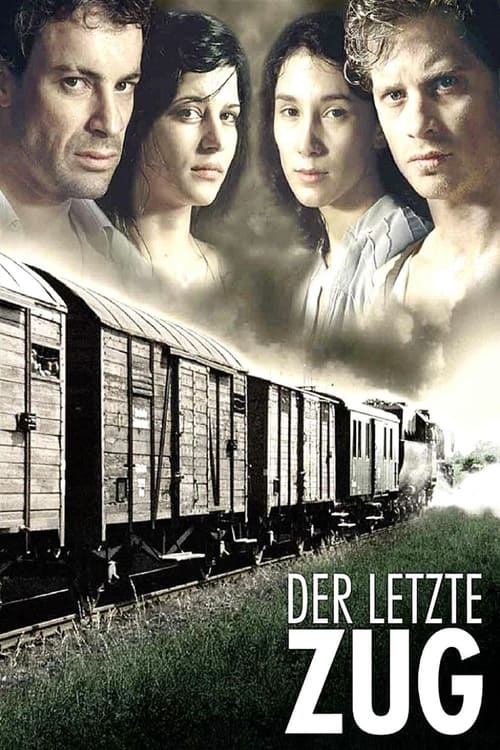
The Last Train
2006
No user ratings available yet
Representation score: 4.6 out of 10
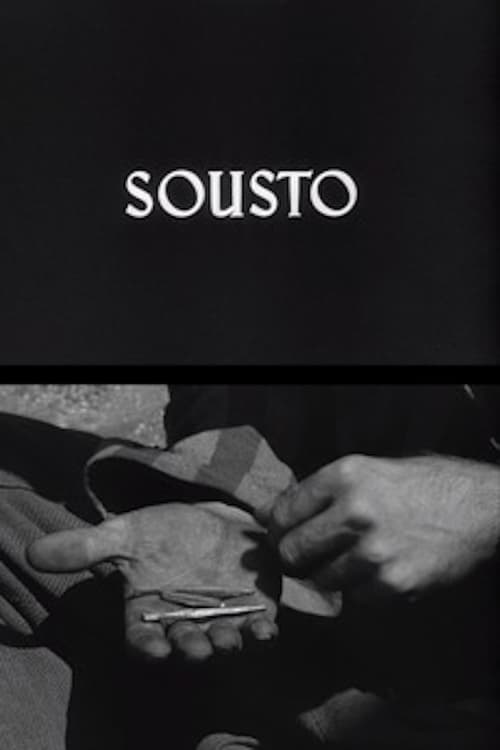
Representation Score
Minimal
1960
Director
Jan Němec
Runtime
11 minutes
Average Rating
No ratings yetNew Showbiz Analysis
Jan Němec’s film is a powerful allegory of systemic control rather than a study in multi-layered identity. It succeeds as a progressive critique of totalitarianism by portraying state-managed resources as dehumanizing tools of oppression. However, the film lacks diversity in terms of race, gender, and sexuality. It remains rooted in a localized, homogenous setting that reflects its historical period without attempting to broaden its demographic scope. Ultimately, the work prioritizes a universalized critique of the human condition under duress over modern standards of inclusive casting.
Category Breakdown
The film does not include any LGBTQ+ characters or narratives. It centers on the community's fight for survival within a village setting.
Gender roles adhere to traditional mid-century European agricultural norms. The film depicts established masculine and feminine archetypes without challenging existing power structures.
The cast is ethnically uniform, reflecting its specific regional and historical context. It does not employ diverse casting to challenge the status quo.
The film provides a deep critique of institutionalized control and centralized authority. It uses the ritualized distribution of food to examine systemic corruption and scarcity.
There are no prominent depictions of physical or neurodivergent disabilities. Such traits do not serve as central plot drivers or character elements.
Present on Screen
Limited or Absent
Official Synopsis
By the end of the second World War, three prisoners wish to escape from the train carrying them from one concentration camp to another. To make it happen, they need to get food first.
2006
1957
1955
1961
1968
1981
1945
1972
No reviews yet. Be the first to share your thoughts on this movie!
Use the rating form above to leave a star rating and optional review.