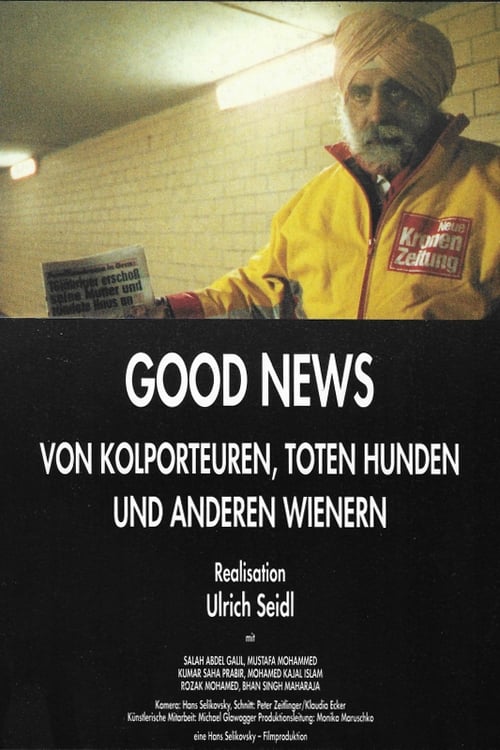
Good News: Newspaper Salesmen, Dead Dogs and Other People from Vienna
1990
No user ratings available yet
Representation score: 7.2 out of 10
Representation Score
Good
2011
Director
Gürcan Keltek
Runtime
20 minutes
Average Rating
No ratings yetNew Showbiz Analysis
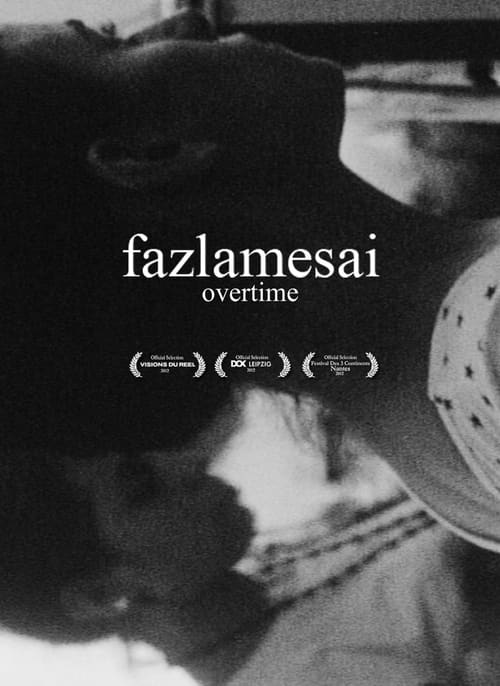
Overtime offers a nuanced critique of socio-economic structures by challenging the notion of a unified national identity. It presents a fragmented landscape where various underrepresented groups face systemic pressures. The film's strength lies in its focus on the intersection of ethnic and economic struggles and the ability to act of individuals caught in these transitions. By highlighting ethnic minority resistance and the subversion of familial authority, it achieves significant narrative complexity. While it lacks explicit representation in certain categories, its exploration of bodily autonomy and ethnic tension provides a deep, ethnographic look at a changing society.
Category Breakdown
The film does not explicitly focus on LGBTQ+ identities but touches on the commodification of bodies through a young man's work in the sex industry for tourists.
It challenges traditional gender roles by depicting individuals resisting patriarchal constraints. A Kurdish girl's defiance of family rules and the portrayal of diverse gendered labor highlight these tensions.
The documentary centers on ethnic exclusion, particularly through a Kurdish girl's experiences. It showcases a diverse cast reflecting Istanbul's varied class structures.
The narrative critiques traditional social structures and the family unit as restrictive forces. It portrays the city as a place of systemic oppression where survival often conflicts with traditional morality.
There is no significant evidence regarding the portrayal of physical or neurodivergent disabilities within the film.
Present on Screen
Limited or Absent
Official Synopsis
Istanbul, today. The city has become one big machine that pulls people apart. Through the streets of the city echo the voices of young male and female workers. The harsh reality of an uncertain economic phase is felt in each segment of what is left of the Turkish society class structure. A Kurdish girl stands up against her family rules and tradition. The last young member of a diminished clan remembers the past ruefully. A child worker is forced to support his family since he is the only one who earns some money. A young unemployed male sells himself to tourists in front of the Blue Mosque. His body is the last working tool he is left with. Torn between the West and the East, Istanbul becomes the city symbol of a world that can neither go back nor (yet…) step forward.
1990

2010
2018

2013
2011
2009
2006
2004
No reviews yet. Be the first to share your thoughts on this movie!
Use the rating form above to leave a star rating and optional review.