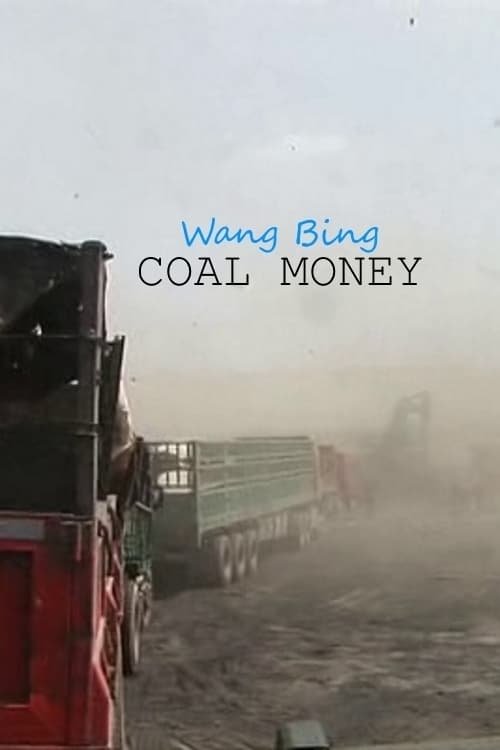
Coal Money
2009
No user ratings available yet
Representation score: 5.9 out of 10
Representation Score
Good
2018
Director
Wang Bing
Runtime
163 minutes
Average Rating
No ratings yetNew Showbiz Analysis
Wang Bing’s documentary effectively dismantles the idea of upward mobility in Eastern China. By focusing on the daily lives of migrant workers, the film offers a critical view of the human cost of rapid industrialization. Though the film lacks direct LGBTQ+ representation and multi-ethnic casting, it finds depth in socioeconomic diversity. It examines the psychological and physical burdens faced by the working class, presenting survival as a complex moral issue. Overall, the film functions as a powerful critique of systemic issues. It replaces idealized notions of progress with a raw, observational account of those often overlooked in global narratives.
Category Breakdown
The film does not include any LGBTQ+ characters or stories about non-straight relationships. It focuses on the everyday struggles of migrant workers and domestic life.
The documentary explores the impact of economic hardship on gender roles and relationships. It shows how financial stress can lead to violence and oppression within families.
The film features a largely uniform ethnic group, focusing on Chinese citizens. However, it highlights the diverse economic situations of migrant workers.
The narrative serves as a strong critique of capitalist growth and its effects on individuals. It portrays the struggles of people caught in large systemic forces.
The film does not specifically address diagnosed disabilities. Instead, it captures the hidden toll of chronic fatigue and the physical demands of low-wage labor.
Present on Screen
Limited or Absent
Official Synopsis
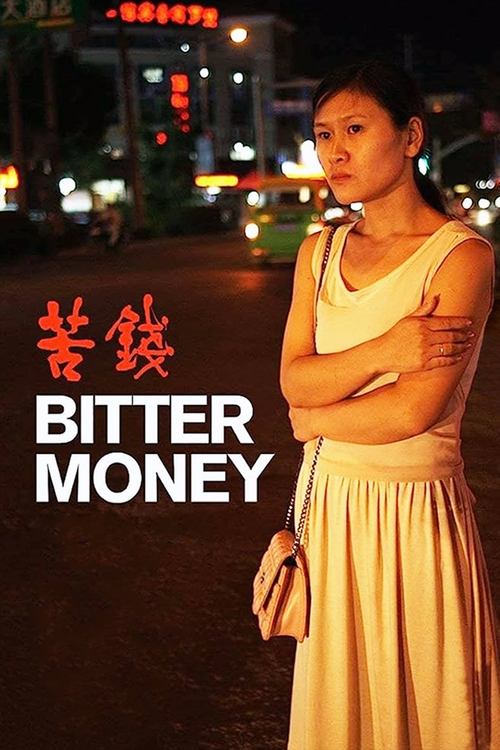
In a fast growing city of East China, migrants have been arriving and living for a dream of a better life. But what they find there is little opportunities and poor living conditions that push people, even couples, into violent and oppressive relations. Xiao Min, Ling Ling and Lao Yeh are some of the characters of this bitter chronicle of today China.
2009

2000
2004

2016
2006
2015

2018
2019
No reviews yet. Be the first to share your thoughts on this movie!
Use the rating form above to leave a star rating and optional review.