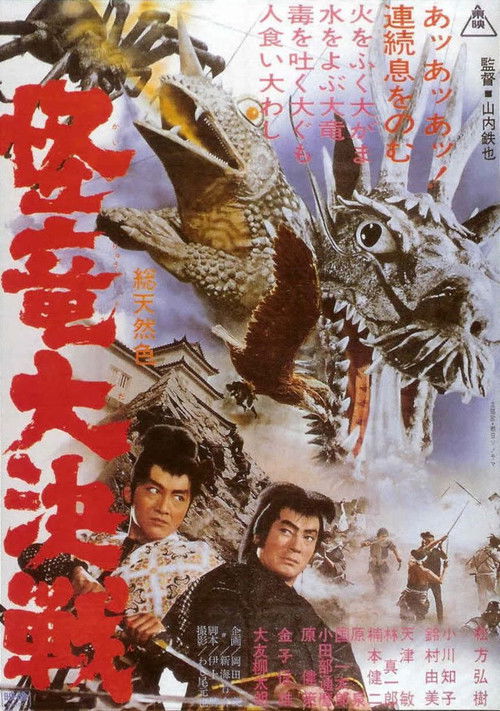
The Magic Serpent
1966
No user ratings available yet
Diversity score: 2.4 out of 10
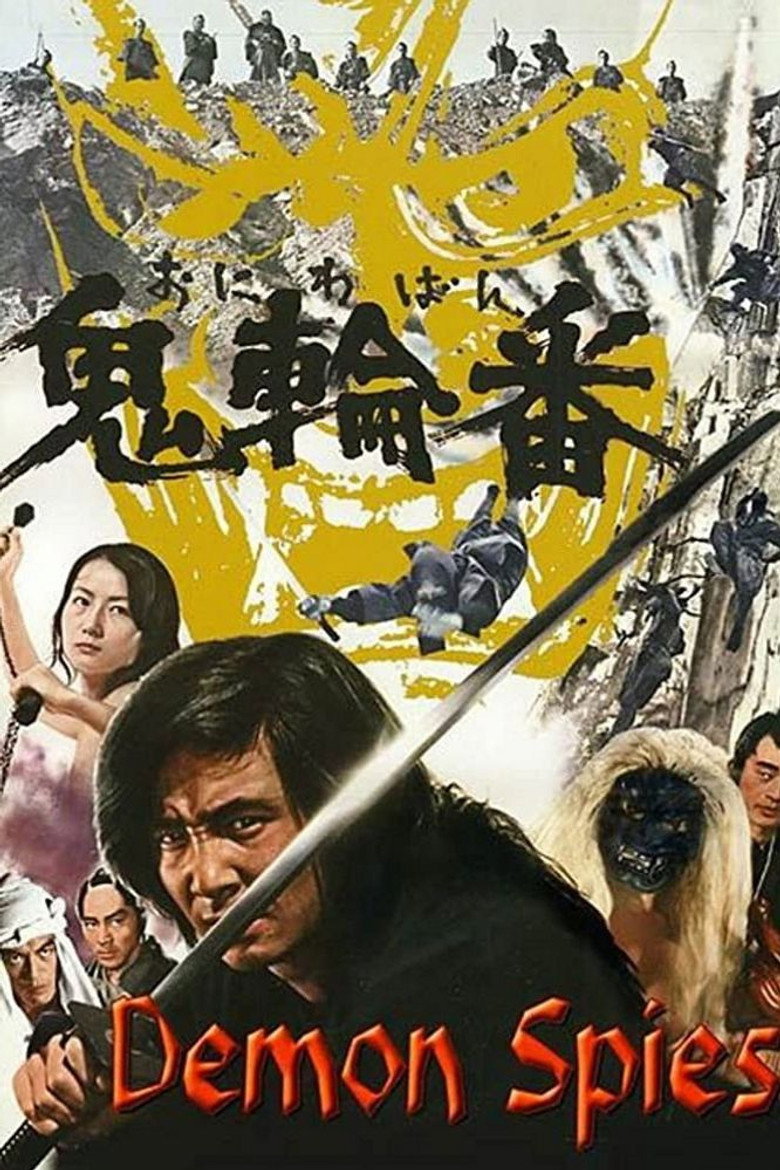
1974
Not RatedDirector
Takashi Tsuboshima
Runtime
86 minutes
Average Rating
No ratings yetSynopsis
Deep in the mountains of feudal Japan, a group of children endure cruel and unorthodox training in order to become the Shogunate's most secret and deadly weapons - the Demon Spies! Their true identities are hidden - even from each other. Behind their demon masks, they are educated in the deadly arts of infiltration, espionage, assassination - and seduction! If they survive to become strong enough to kill their teachers, they will become - the Demon Spies! Sent on a suicide mission to uncover a deadly conspiracy, five inexperienced Demon Spies must infiltrate a powerful fief, discover the location of its secret arsenal, and destroy it. But Lord Shogen, the Demon Hunter, plans to brutally interrogate, ingeniously torture, and cruelly execute - the Demon Spies!
Overall Score
Fair
Category Breakdown
LGBTQ+ Representation
The film lacks explicit depictions of LGBTQ+ identities or non-heteronormative romance. While espionage training involves seduction, this appears to be a tactical tool rather than a representation of queer identity.
Gender Representation
The narrative suggests female characters may act as active agents through training in seduction. However, it remains unclear if this subverts or reinforces traditional gender roles within the Shogunate.
Racial & Ethnic Diversity
Set in feudal Japan, the cast is ethnically homogeneous. Complexity arises from the protagonists' status as a marginalized outsider class living on the fringes of the established social order.
Religious & Cultural Diversity
The story critiques systemic oppression by portraying the Shogunate and Lord Shogen as cruel. It deconstructs traditional hierarchies and the sanctity of the teacher-student bond through themes of dehumanization.
Disability Representation
There is no evidence regarding the portrayal of physical or neurodivergent disabilities in this film.
Strengths
Areas for Improvement
AI Analysis
Demon Spies is a genre piece that finds its strength in its critique of institutional authority. By framing the Shogunate as a source of systemic brutality rather than a righteous power, the film explores themes of resistance and survival against corrupt centralized structures. However, the film lacks intersectional depth. The focus on tactical espionage and survival leaves little room for explicit representation of LGBTQ+ identities or diverse gender roles beyond functional utility. The homogeneity of the period setting further limits racial diversity. Ultimately, the film is a study of rebellion. It succeeds in portraying a marginalized group of children fighting a dehumanizing system, even if it lacks breadth in individual identity representation.
1966
2018

2013

2012

2008

2005

1992
1959
No reviews yet. Be the first to share your thoughts on this movie!
Use the rating form above to leave a star rating and optional review.