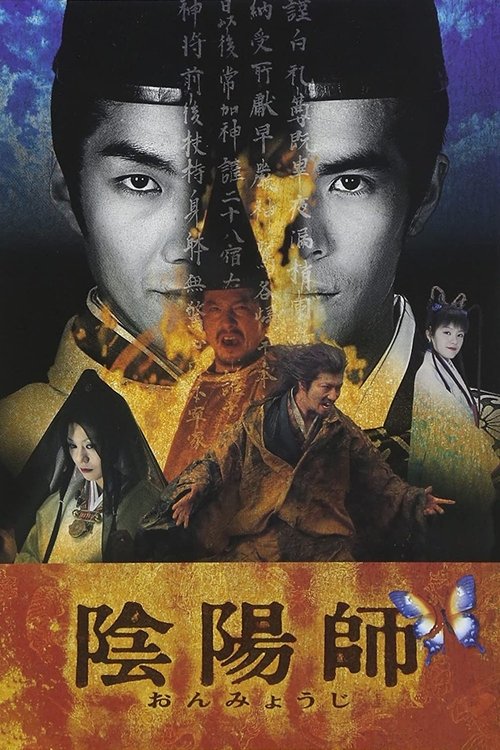
Onmyoji
2001
No user ratings available yet
Representation score: 4.5 out of 10
Representation Score
Limited
2005
Director
Yojiro Takita
Runtime
119 minutes
Average Rating
No ratings yetNew Showbiz Analysis
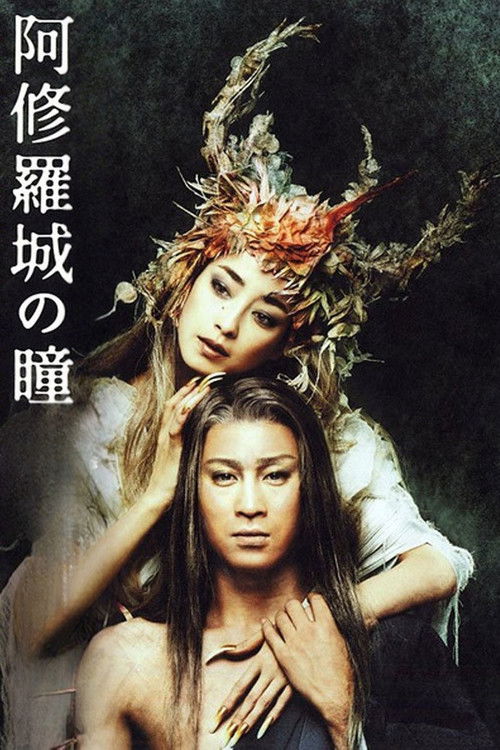
Ashura is a culturally authentic period piece that excels in its accurate depiction of Japanese culture. It provides a narrative grounded in its specific heritage, avoiding Western casting norms. However, the film follows conventional formulas regarding gender and romantic dynamics. It prioritizes historical immersion and genre-driven myths over challenging traditional power structures. The narrative primarily explores conflict and destiny rather than serving as a platform for diverse representation or the subversion of established norms.
Category Breakdown
The story focuses on a traditional romantic relationship between Izumo and Tsubaki. It follows conventions that assume everyone is straight or cisgender without exploring queer identities or hidden meanings.
Set in 19th-century Japan, the film reflects traditional gender roles where Tsubaki's role seems to react to supernatural forces rather than being proactive.
The production accurately represents its cultural setting with a predominantly Japanese cast, avoiding the whitewashing common in many international period pieces.
The narrative delves into the spiritual frameworks of its time, exploring themes of fate and survival within a specific historical and social context.
There are no prominent depictions of visible or invisible disabilities. The focus remains on the supernatural conflict between demons and slayers.
Present on Screen
Limited or Absent
Official Synopsis
Adapted from the successful play, the film takes place in 19th-century Japan, where a war between demons and their slayers is fought. Izumo, a kabuki actor with a demon-slaying past, meets and falls in love with Tsubaki. However, something is not right, as mysterious marks appear on her body as time progresses. At the same time, it is announced that Ashura, the queen of all demons, will be resurrected and bring destruction to the universe.
2001
1968
2003
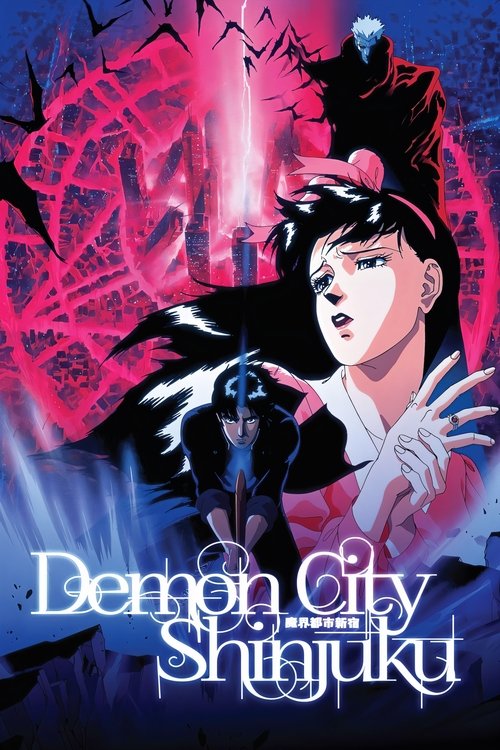
1988

2011
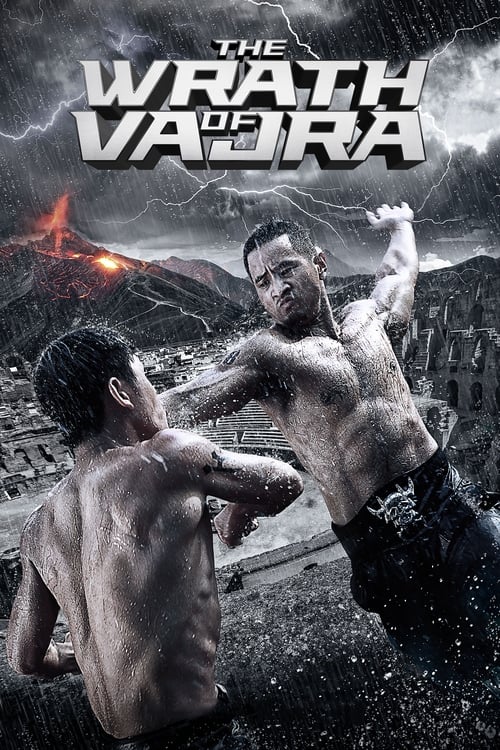
2013

2019
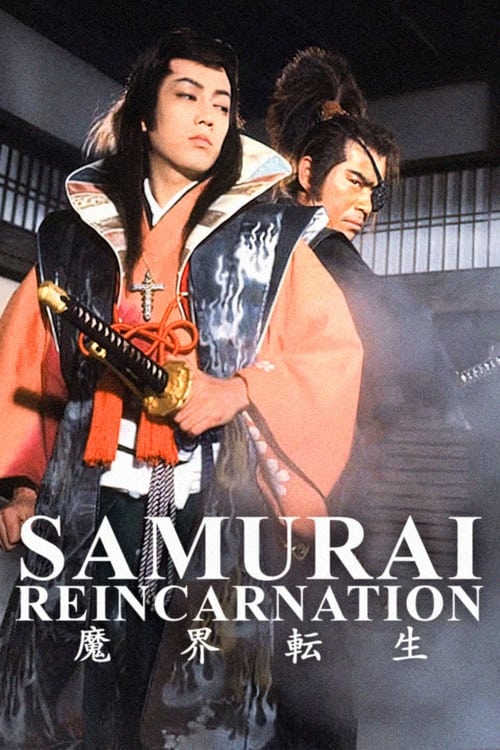
1981
No reviews yet. Be the first to share your thoughts on this movie!
Use the rating form above to leave a star rating and optional review.