
Natural History Suite
1967
No user ratings available yet
Diversity score: 1.1 out of 10
1965
Not RatedDirector
Jan Švankmajer
Runtime
10 minutes
Average Rating
No ratings yetSynopsis
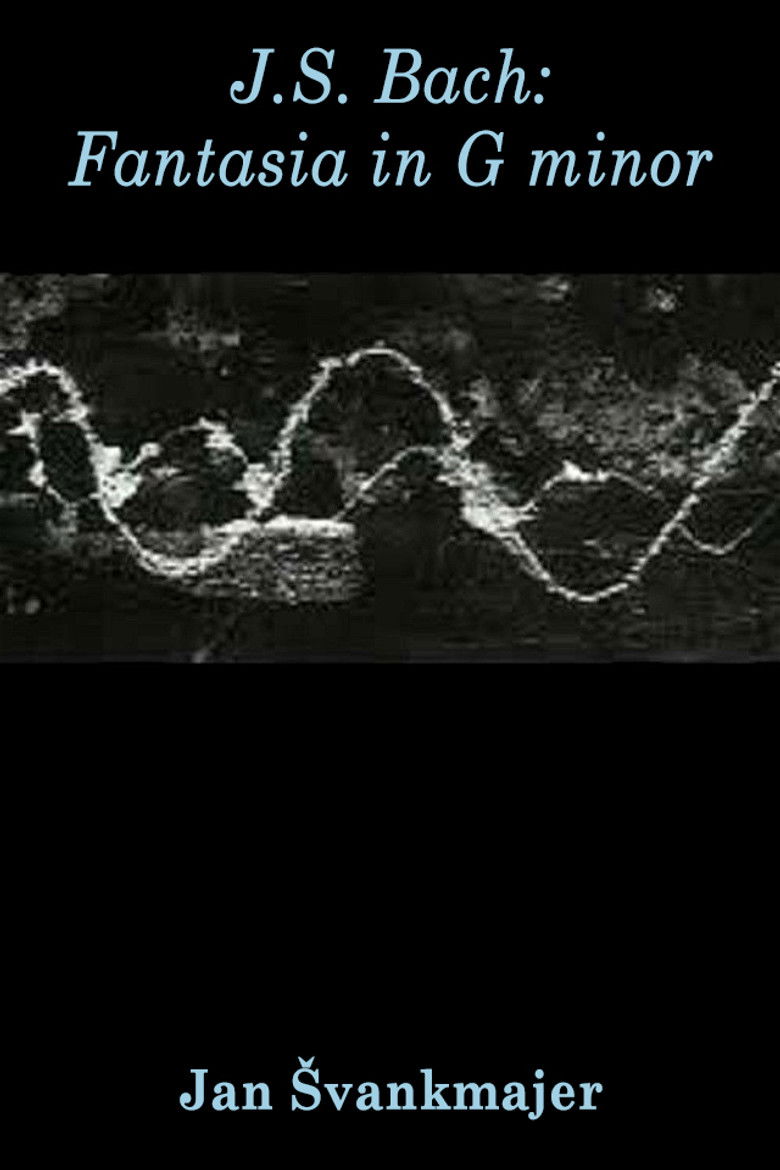
A man plays the Bach piece of the title on the organ, accompanied by images of stone walls with cracks and holes that grow and shrink, intercut with images of doors and wire-meshed windows.
Overall Score
Minimal
Category Breakdown
LGBTQ+ Representation
The film is an abstract, non-narrative animation. Because it lacks human characters or dialogue, there is no depiction of sexual orientation or gender identity.
Gender Representation
The narrative architecture is entirely non-anthropocentric. By focusing on kinetic architectural elements, the film bypasses traditional gender hierarchies and social roles.
Racial & Ethnic Diversity
The film utilizes inanimate objects and architectural elements as its primary subjects. There is no representation of race, ethnicity, or human demographic identity.
Religious & Cultural Diversity
The work engages in a postmodern dialogue with Western classical traditions. It deconstructs Bach’s composition through surrealist visual metaphors and shifting textures.
Disability Representation
There are no characters depicted within the film. Consequently, there is no representation of neurodivergence or physical disability.
Strengths
Areas for Improvement
AI Analysis
Jan Švankmajer’s animation is a work of pure formalist surrealism. It replaces human-centric storytelling with a sensory-driven exploration of rhythm, focusing on the relationship between sound and matter. Because the film centers on the synchronization of stop-motion imagery with musical composition, it lacks the human characters necessary for traditional identity representation. The focus remains on the kinetic movement of stone walls, cracks, and wire-meshed windows. While the film lacks social or demographic diversity, it offers a sophisticated engagement with high art. It disrupts the reverent consumption of classical music through its use of decaying and shifting textures.
1967
1969
1967
1968
1966
1971

1965

1983

1990
1972
1969

1968
No reviews yet. Be the first to share your thoughts on this movie!
Use the rating form above to leave a star rating and optional review.