
Flight to Tangier
1953
No user ratings available yet
Diversity score: 3.0 out of 10
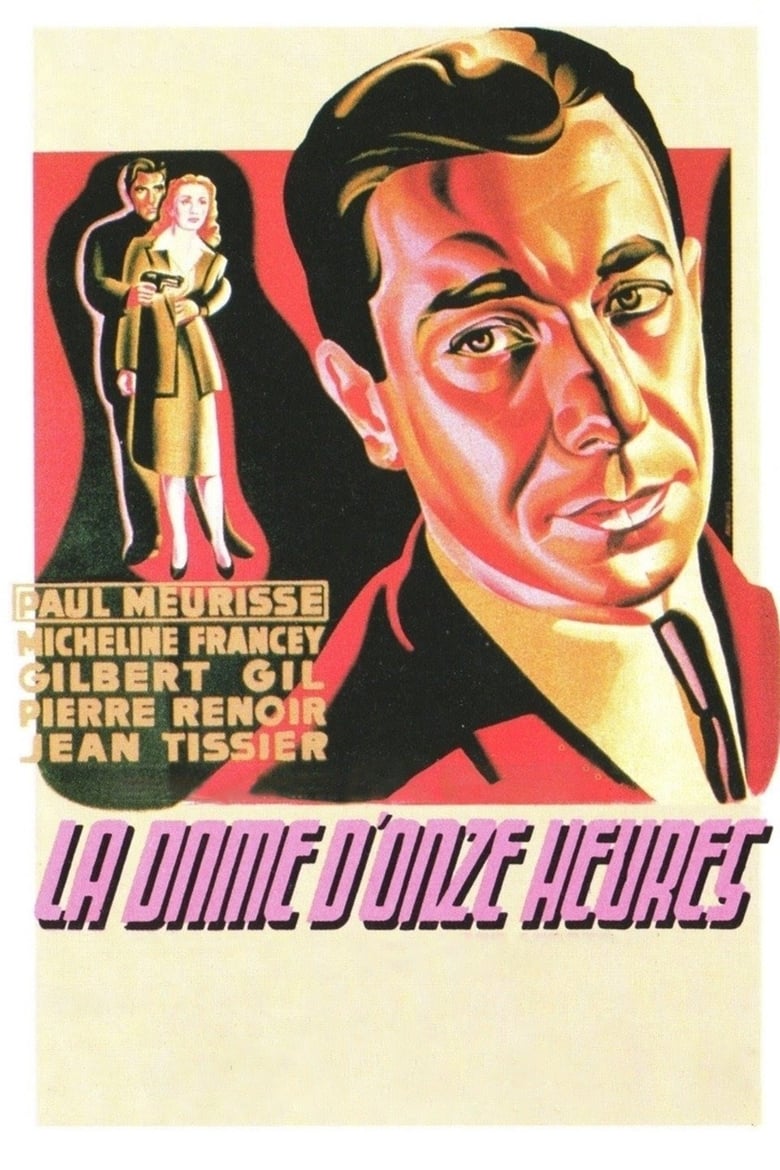
1948
Director
Jean Devaivre
Runtime
97 minutes
Average Rating
No ratings yetSynopsis
Stanislas Oscar Seminario, aka SOS, is a young explorer, just back from Africa, visiting old friends: the Pescara's. But the father keeps receiving anonymous letters. And soon a mysterious murder is committed. SOS begins to investigate...
Overall Score
Limited
Category Breakdown
LGBTQ+ Representation
The film adheres to the heteronormative social structures of 1948 France. It does not explicitly feature non-cisnormative identities or depictions of same-sex intimacy.
Gender Representation
The narrative disrupts domestic tropes by centering on a female protagonist in a professional radio environment. It explores female autonomy and professional identity rather than submissive archetypes.
Racial & Ethnic Diversity
The cast and setting remain largely homogeneous, reflecting post-war cinematic norms. While the protagonist is an explorer from Africa, the film lacks significant racial intersectionality.
Religious & Cultural Diversity
The film operates within a standard Western socioeconomic framework. It leans toward grounded, secular realism by focusing on individual struggles against professional pressures rather than romanticized family life.
Disability Representation
Characters are depicted within a standard physical and neurotypical baseline. There is no evidence of characters with disabilities being utilized as central narrative drivers.
Strengths
Areas for Improvement
AI Analysis
The film's primary strength is its focus on female professional agency. By placing a woman at the center of a media-driven workplace, it subverts the era's common domestic tropes. However, the work is limited by its historical context. It lacks intersectional depth, offering almost no representation for LGBTQ+ identities, diverse racial backgrounds, or characters with disabilities. Ultimately, the film is a localized study of French urban society. It prioritizes individual professional struggles over the deconstruction of broader systemic social hierarchies.
1953

1963
1947

1960
1940

1961

1958
1966

1945

1946

1953

1960
No reviews yet. Be the first to share your thoughts on this movie!
Use the rating form above to leave a star rating and optional review.