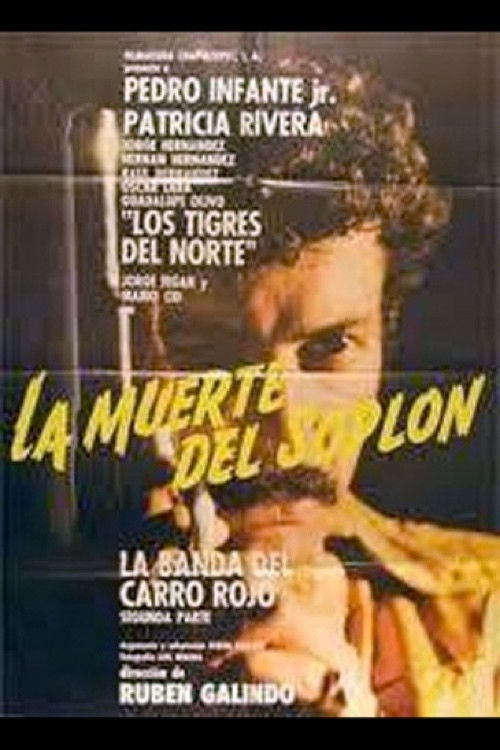
La muerte del soplón
1978
No user ratings available yet
Representation score: 1.9 out of 10
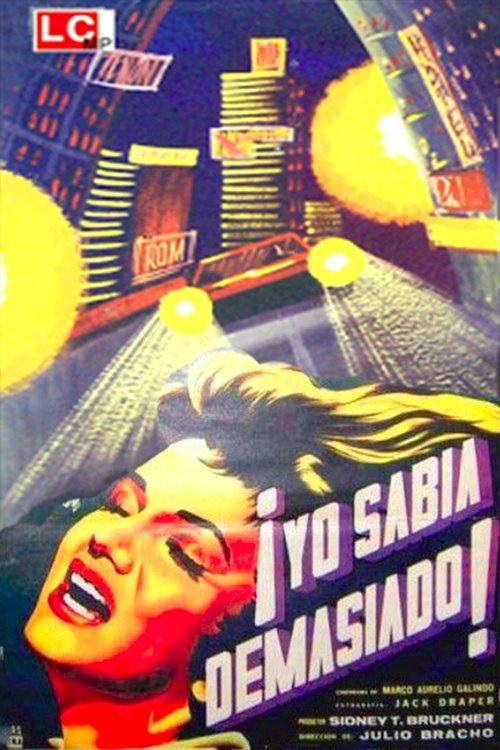
Representation Score
Limited
1960
Director
Julio Bracho
Runtime
89 minutes
Average Rating
No ratings yetNew Showbiz Analysis
Julio Bracho’s crime thriller reflects the conventional social and moral structures of 1960s Mexico. While it is a significant piece of regional cinematic history, it does not intentionally disrupt traditional hierarchies. The film operates within established genre clichés, prioritizing standard moral frameworks over radical critique. It lacks the multi-layered approach found in more contemporary, inclusive media.
Category Breakdown
The film does not include any visible LGBTQ+ narratives or non-straight identities. It follows the assumption that everyone is straight or cisgender, which was common in 1960s Mexican cinema.
Female characters seem to be defined by their relationships to male protagonists or the central mystery. The film does not challenge traditional gender hierarchies or patriarchal power dynamics.
The cast is mainly Mestizo, reflecting the cultural norm of the domestic market. It avoids Hollywood-style whitewashing but maintains the racial homogeneity typical of mid-century Mexican urban films.
The narrative aligns with the moral frameworks of the time rather than offering systemic critiques. It focuses on the tension between individual actions and social laws within traditional genre constraints.
There is no evidence of characters with disabilities being portrayed with real control over their lives. Physical impairments likely serve as plot devices or markers of vulnerability rather than nuanced character studies.
Present on Screen
Limited or Absent
1978
1964
1969
1983
1964
1994
1955
1950
No reviews yet. Be the first to share your thoughts on this movie!
Use the rating form above to leave a star rating and optional review.