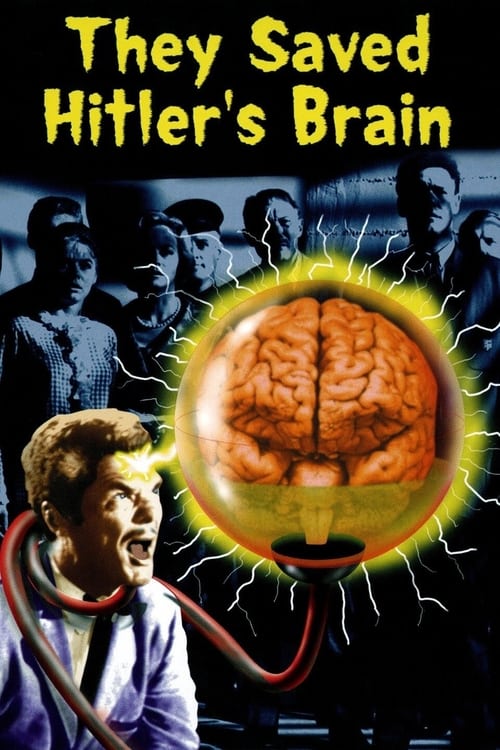
They Saved Hitler's Brain
1968
No user ratings available yet
Representation score: 1.1 out of 10

Representation Score
Minimal
1963
ApprovedDirector
David Bradley
Runtime
74 minutes
Average Rating
No ratings yetNew Showbiz Analysis
The film operates within the rigid genre conventions of 1960s science fiction. It prioritizes a high-stakes conflict between Nazi remnants and a singular male protagonist, leaving little room for diverse perspectives. The narrative structure relies on traditionalist formulas, specifically centering intellectual salvation on a male figure. This results in a narrow, Western-centric worldview. Ultimately, the film lacks the complexity or subversion of social hierarchies necessary for a more inclusive representation score.
Category Breakdown
The film centers on a geopolitical and scientific conflict involving Nazi survivors. There is no representation of LGBTQ+ identities or narratives challenging the assumption that everyone is straight or cisgender.
The story emphasizes Professor Coleman, the sole individual capable of providing a scientific solution. This reinforces a traditional hierarchy where intellectual leadership is strictly male.
The narrative follows a conventional Western-centric thriller structure. There is no indication of casting actors from diverse backgrounds or characters reflecting multiple aspects of diversity.
The plot utilizes a traditional antagonist framework rooted in the aftermath of World War II. It adheres to conventional moral binaries rather than critiquing Western institutions.
The film introduces themes of biological preservation through the preservation of a brain in a jar. However, it is unclear if this serves as a meaningful exploration of disability.
Present on Screen
Limited or Absent
Official Synopsis
A group of Nazi survivors save Hitler's brain keeping it alive in a huge jar hooked up to a machine. The Nazis plan to release a deadly gas destroying all life on the planet. To ensure their success they kidnap Professor Coleman the only man on the planet with the antidote to the poison gas.
1968
1962
1961

1978

2012
1965
1968
1959
No reviews yet. Be the first to share your thoughts on this movie!
Use the rating form above to leave a star rating and optional review.