
Patrick
1978
No user ratings available yet
Representation score: 3.1 out of 10
Representation Score
Limited
1968
ApprovedDirector
Byron Haskin
Runtime
108 minutes
Average Rating
No ratings yetNew Showbiz Analysis
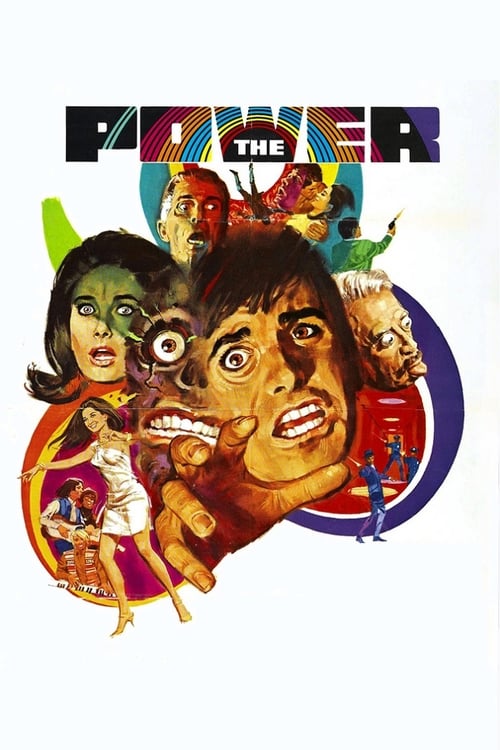
The Power is a conventional 1968 science fiction thriller that reflects the era's limited diversity. The narrative follows established genre clichés, focusing on suspenseful hunts for a telekinetic killer within a specialized team. Representation is minimal across all categories. The film relies on homogeneous casting and traditional gender hierarchies typical of mid-century studio productions. It lacks intentionality in disrupting social norms or providing diverse perspectives. Ultimately, the film serves as a period-accurate genre piece that prioritizes suspense over social breadth, offering little in the way of diverse identity representation.
Category Breakdown
The film does not include any non-binary or transgender characters. It follows the typical character types found in 1968 science fiction.
The story centers around a special project team in a survival thriller setting. It likely emphasizes traditional gender roles, with men in leadership and women in supportive roles.
The cast is predominantly white, with no significant non-white representation or race-bent casting.
The story operates within traditional Western moral frameworks, focusing on individual responsibility and standard investigative methods without diverse cultural perspectives.
Telekinesis is portrayed as a supernatural power rather than a disability. The film does not offer meaningful representation or roles for disabled individuals.
Present on Screen
Limited or Absent
Official Synopsis
One by one members of a special project team are being killed by telekinesis - the ability to move things with the power of the mind alone. The race is on to determine which of the remaining team members is the murderer and to stop them.
1978

1978
2003

1978
2005
1967

2014
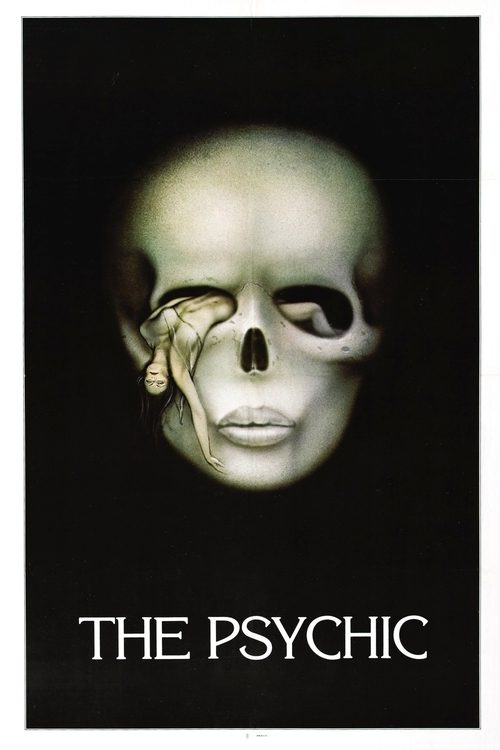
1977
No reviews yet. Be the first to share your thoughts on this movie!
Use the rating form above to leave a star rating and optional review.