
The Madmen of Mandoras
1963
No user ratings available yet
Representation score: 0.3 out of 10
Representation Score
Minimal
1968
ApprovedDirector
David Bradley
Runtime
93 minutes
Average Rating
No ratings yetNew Showbiz Analysis
This exploitation film prioritizes sensationalist genre clichés over intentional social commentary. The narrative relies on established mid-century adventure structures, focusing on a high-concept sci-fi premise involving a Nazi head. Representation is primarily functional, with the film adhering to conventional social and moral frameworks of its era, favoring plot momentum over diverse character studies.
Category Breakdown
The film follows a traditional thriller structure focused on Nazi remnants and a rescue mission. It does not include any representation of non-cisgender identities or same-sex relationships.
A male security officer and a female daughter lead the rescue mission. While the daughter plays a significant role, the film follows typical 1960s adventure movie conventions.
Set in a fictional South American country called Mandoras, the film provides a non-Western setting. However, the depth of the characters remains unclear.
The story operates within a Western heroic framework to counter a fascist threat. It emphasizes post-WWII moral clarity rather than exploring complex cultural perspectives.
The central concept of a disembodied head serves as a science fiction plot device. There is no nuanced portrayal of disabilities or health conditions.
Present on Screen
Limited or Absent
Official Synopsis
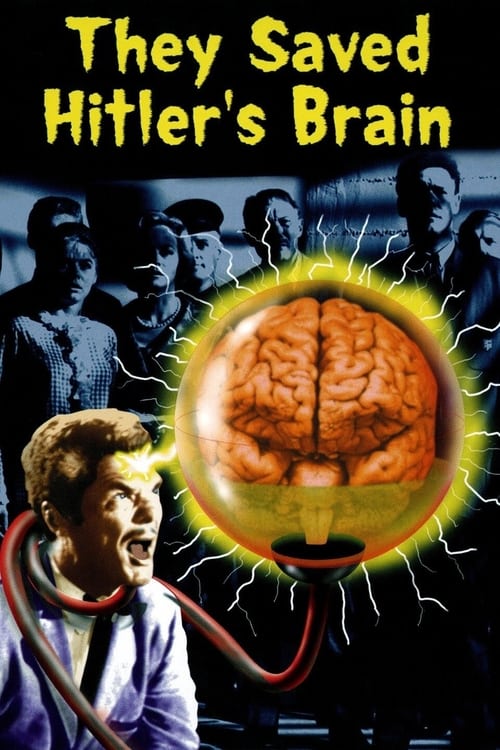
At the end of WWII, Nazi officials spirited the living head of Adolf Hitler out of Germany to a hiding place in the South American country of Mandoras, in order to revive the Third Reich at a later date. By the 1960s, the time has come, so a top scientist is kidnapped in order to help keep Hitler alive. This film is a re-edit of The Madmen of Mandoras released in theaters in 1963.
1963

1978
1966

1994

2012

2012
1978
1942
No reviews yet. Be the first to share your thoughts on this movie!
Use the rating form above to leave a star rating and optional review.