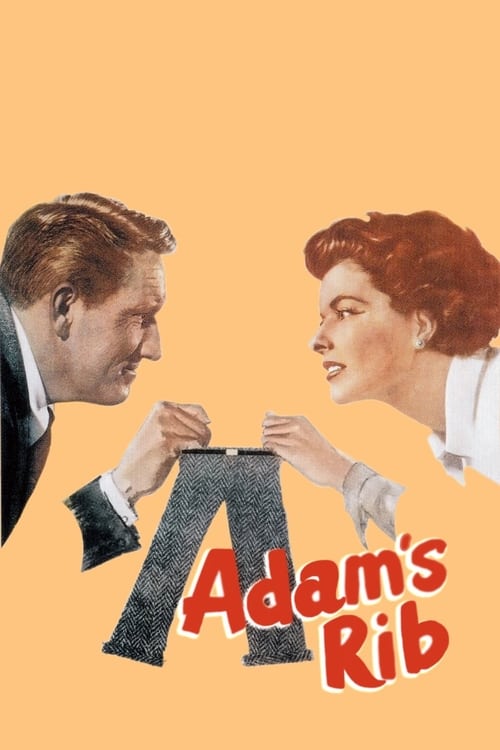
Adam's Rib
1949
No user ratings available yet
Representation score: 2.2 out of 10

Representation Score
Limited
1989
RDirector
Danny DeVito
Runtime
116 minutes
Average Rating
No ratings yetNew Showbiz Analysis
The film focuses narrowly on a specific social class, lacking diversity in terms of race, disability, and LGBTQ+ identities. Its homogeneity limits its broader appeal. However, the film excels in its thematic subversion. By dismantling the idealized domesticity of the nuclear family and challenging traditional gender roles, it moves away from conventional moralizing. Instead, it explores a postmodern, ego-driven chaos. Ultimately, the film is a focused character study. It prioritizes a deep, cynical examination of Western materialist values and the erosion of marital institutions over broad social representation.
Category Breakdown
The film adheres to a structure that assumes everyone is straight or cisgender. It centers on the conflict between a man and a woman without any representation of queer individuals.
The story challenges traditional gender roles by showing a balanced power struggle between both main characters. Neither character fits the typical nurturing or providing roles.
The cast is predominantly white and upper-middle-class. The film does not explore diverse racial or ethnic backgrounds.
The movie critiques Western materialism and the nuclear family. It portrays the family unit as a place of psychological conflict rather than strength.
There is no depiction of physical or neurodivergent disabilities among the main characters.
Present on Screen
Limited or Absent
Official Synopsis
Barbara and Oliver Rose live happily as a married couple. When Barbara starts to wonder what life would be like without Oliver and likes what she sees, the two begin a campaign to force each other to leave their house, with their divorce lawyer D'Amato caught in the middle.
1949
1939
1989

1937
1989

1975

1995

1983
No reviews yet. Be the first to share your thoughts on this movie!
Use the rating form above to leave a star rating and optional review.