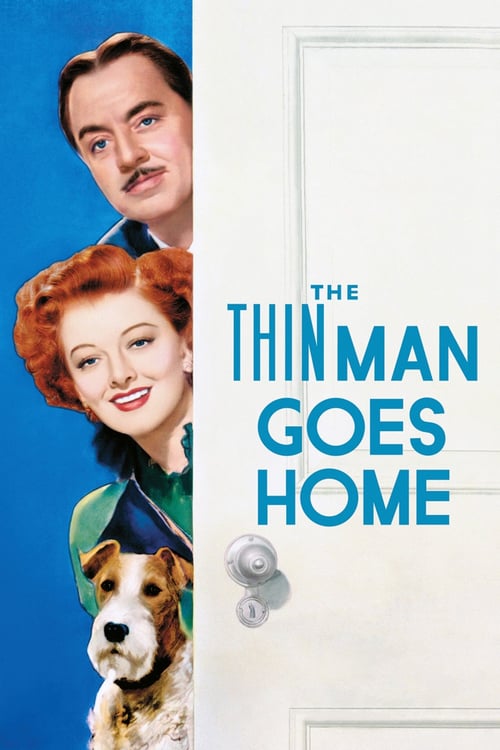
The Thin Man Goes Home
1944
No user ratings available yet
Representation score: 1.7 out of 10
Representation Score
Minimal
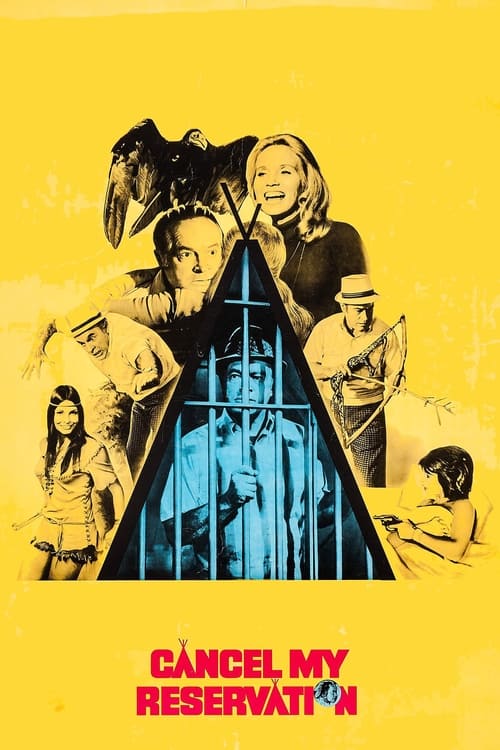
1972
GDirector
Paul Bogart
Runtime
99 minutes
Average Rating
No ratings yetNew Showbiz Analysis
The film opens on a pristine Arizona ranch, a manicured space where television personality Dan Bartlett seeks refuge from his crumbling marriage. This setting establishes the film’s central argument: that domestic order is fragile but restorable through the intervention of a competent, if anxious, white patriarch. Dan, played by Bob Hope, is the bumbling everyman whose incompetence generates the comedy, yet he remains the sole agent capable of solving the murder and securing the family’s future. The camera loves his face, framing his panic as endearing rather than threatening, while his wife Sheila serves as the static moral center who validates his journey. The introduction of Native American characters, including Henry Darrow and Chief Dan George, adds a layer of cultural texture that the film treats with a mix of respect and containment. Their connection to the land is portrayed as authentic and deep, providing a moral contrast to the superficiality of white suburban life. However, the film’s internal logic pulls apart when it uses this indigenous wisdom to resolve a conflict that ultimately protects the status quo. The land ownership document that proves tribal rights is not used to displace the white family but to clear Dan’s name, allowing him to return to his porch. The "other" is tolerated, even admired, but only insofar as it does not disrupt the white nuclear family’s comfort. The ending settles on Dan and Sheila returning to their old lives, a verdict that rewards the preservation of traditional hierarchies. The film sells a vision of racial harmony achieved through individual tolerance rather than structural change, leaving the audience with a sense of polite unease. The Native characters, while dignified, remain on the periphery of the moral arc, their grievances resolved by the white protagonist’s success. This 1972 mystery-comedy, Paul Bogart’s direction aside, functions as a conservative fable where the "good" is defined by the stability of the white household, and the "bad" is the chaos that threatens it. The last image is not one of transformation, but of restoration: the family intact, the land secured, and the status quo unchallenged.
Category Breakdown
No queer characters or same-sex intimacy appear. The romantic focus remains strictly on the heterosexual marriage between Dan and Sheila, with no identity-based conflict present.
Sheila serves as the moral anchor validating Dan’s actions, while Crazy Hollister functions primarily as a scantily clad object of desire. Dan’s bumbling incompetence drives the plot, yet he retains the final agency to resolve the mystery and restore domestic order.
Henry Darrow and Chief Dan George portray Native characters with dignity, contrasting with the white leads. The plot hinges on a land ownership document proving tribal rights, but the resolution ultimately protects the white patriarch’s property from the villain rather than restructuring ownership.
The film treats the nuclear family and suburban stability as the ideal state to be preserved. Native spirituality is framed as authentic and deep, but the narrative rewards the return to white domestic normalcy, treating indigenous grievances as obstacles to be managed rather than systemic failures.
No characters with disabilities appear, and no impairment functions as a plot device or thematic element. The cast relies on conventional physicality without exploring disability or neurodiversity.
Present on Screen
Limited or Absent
Official Synopsis
Bob Hope is a stressed out talk show host who is sent on a vacation to Arizona on doctor's orders and has to play Sherlock Holmes with his wife, the lovely Eva Marie Saint, to solve a series of murders that has Bob as the prime suspect.
1944
1939
1939
1972
1942
1978
1962
1964
No reviews yet. Be the first to share your thoughts on this movie!
Use the rating form above to leave a star rating and optional review.