Dance of the Polar Bears
1990
No user ratings available yet
Representation score: 2.5 out of 10
Representation Score
Fair
1987
Director
Hüseyn Mehdiyev
Runtime
80 minutes
Average Rating
No ratings yetNew Showbiz Analysis
Hüseyn Mehdiyev’s drama stands out by challenging the conventional coming-of-age storyline. Rather than a sentimental journey, it offers a raw, unsettling portrayal of domestic dysfunction and the existential pain of growing up. The film excels in its psychological complexity and its refusal to offer a simplistic view of family life. It employs the loss of a tooth as a potent symbol for the breakdown of the nuclear family. However, the film lacks diverse representation. It remains focused on a specific cultural context and does not include LGBTQ+ characters or individuals with overt physical or neurodivergent conditions.
Category Breakdown
The film centers on the reconfiguration of a traditional family structure. It does not include any characters or narratives related to LGBTQ+ identities or experiences.
The story critiques the traditional masculine ideal through an emotionally distant father figure. It highlights the tension caused by evolving gender roles and the erosion of patriarchal stability.
Produced in the Azerbaijani SSR, the film offers a non-Western viewpoint on family grief. It deviates from typical Hollywood family dramas by presenting a unique cultural perspective.
The narrative dismantles the sanctity of the traditional household. It emphasizes the protagonist's personal truth over societal norms regarding remarriage and family ideals.
The film delves into hidden psychological struggles and feelings of isolation. The protagonist's difficulty in expressing his fears points to a state of emotional neurodivergence.
Present on Screen
Limited or Absent
Official Synopsis
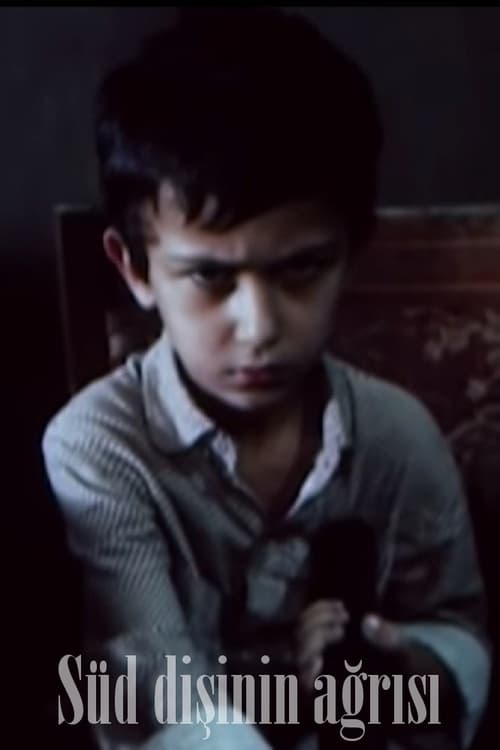
A young boy through a period of transition. His last baby tooth, which symbolises this period, is sore. He is scared of pulling it out, of saying goodbye to his dead mother and to his childhood. No one understands him, be is deprived from material physical affection. He himself does not understand his father who has brought another woman home. He feels this is an act of betrayal towards his dead mother.
1990
1976

1998

2017

2019

2010
1982

2003
No reviews yet. Be the first to share your thoughts on this movie!
Use the rating form above to leave a star rating and optional review.