
Foo Fighters - Everywhere But Home
2003
No user ratings available yet
Diversity score: 3.6 out of 10

1984
Director
Barry Devlin
Average Rating
No ratings yetSynopsis
With 1984's The Unforgettable Fire, U2 were catapulted from cult status in the United States to full-blown superstardom, giving America a chance to discover what the United Kingdom and Europe already knew -- that U2 were a gifted, powerful, and uncommonly passionate rock band.
Overall Score
Limited
Category Breakdown
LGBTQ+ Representation
The collection focuses on musical expression rather than explicit identity narratives. While the 1980s post-punk aesthetic often challenged heteronormative norms, there is no clear evidence of same-sex intimacy or non-cisnormative characters.
Gender Representation
The visual focus remains centered on the male members of U2. While the band's music explores emotional vulnerability, there is no evidence of female characters driving the narrative or subverting gender hierarchies.
Racial & Ethnic Diversity
Representation aligns with the homogeneous demographic composition typical of the mid-80s UK and European rock scenes. There is no evidence of a diverse or color-blind casting approach within the visual segments.
Religious & Cultural Diversity
The work captures a moment of cultural shift through atmospheric and spiritual themes. While the band's sonic experimentation challenged mainstream pop standards, the collection lacks explicit political or secularist messaging.
Disability Representation
There are no documented instances of performers or characters with visible or invisible disabilities being utilized as central narrative elements.
Strengths
Areas for Improvement
AI Analysis
This musical documentary collection serves as a specialized archive of U2's transition to global superstardom. Because the genre prioritizes musical performance and visual aesthetics over scripted social discourse, the capacity for complex, intersectional narrative architecture is naturally limited. The work reflects the demographic and cultural norms of the mid-1980s rock scene. It captures a transformative era of artistic experimentation but does not intentionally construct progressive social narratives or diverse character studies. Ultimately, the collection is a documentation of a specific artistic era rather than a vehicle for intentional social commentary or structural diversity.
2003
2014
2014
1995
2010
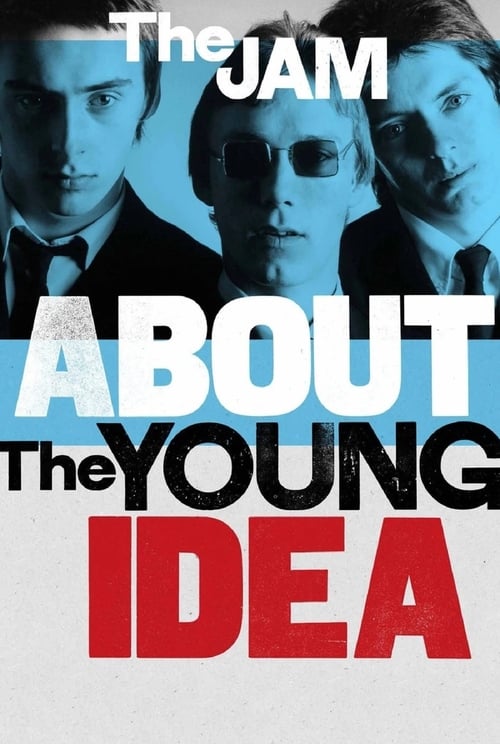
2015

2003
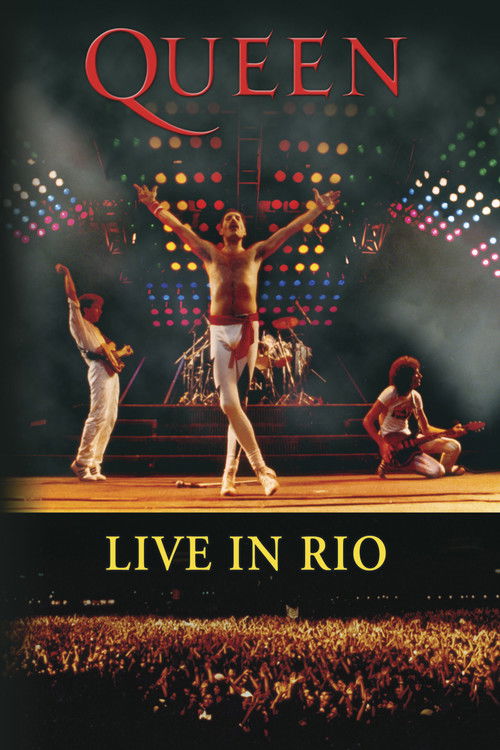
1985

2024
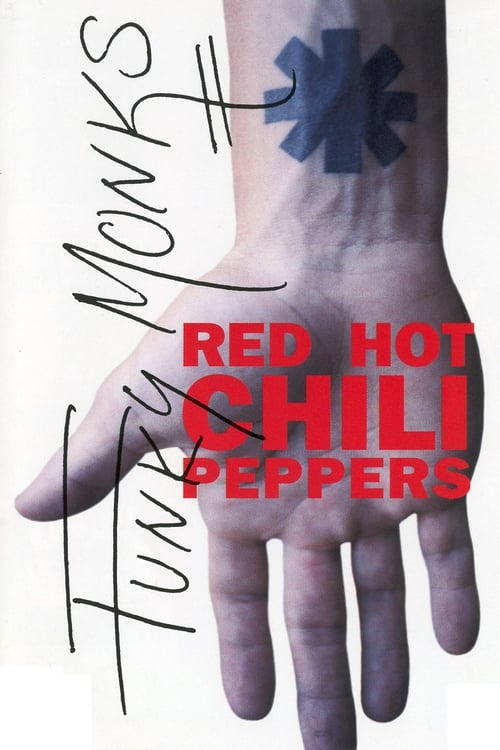
1991

2022

2018
No reviews yet. Be the first to share your thoughts on this movie!
Use the rating form above to leave a star rating and optional review.