
Monster SeaFood Wars
2020
No user ratings available yet
Representation score: 2.2 out of 10

Representation Score
Good
2016
Director
Minoru Kawasaki
Runtime
93 minutes
Average Rating
No ratings yetNew Showbiz Analysis
Kaiju Mono stands out by breaking down the traditional 'defender of the state' cliché. Instead of relying on military power, the film centers on a research assistant whose physical transformation offers the only hope against a giant monster. This shift in focus from state institutions to an individual suggests a critique of traditional power structures. By emphasizing an anomaly over a collective national force, the film explores themes of individual empowerment and non-normative physical states.
Category Breakdown
The film doesn't specifically address LGBTQ+ identities. It does challenge traditional heterosexual norms through its absurdist style, but there are no clear non-cisgender romantic relationships.
The story shifts focus from traditional male military leadership to a research assistant, highlighting intellectual work over physical strength. This challenges conventional ideas about gender and strength.
The cast is ethnically uniform, typical of domestic Japanese productions. However, the film focuses on a single transformed individual rather than a collective national identity.
The narrative criticizes state-centric organizations by focusing on an anomalous individual. This prioritizes the outsider over established government or military institutions.
The protagonist's physical transformation serves as a metaphor for unusual experiences. Whether this transformation is seen as empowering or tragic affects the film's impact.
Present on Screen
Limited or Absent
Official Synopsis
When a giant monster attacks Japan, the country's only hope is a research assistant who's become monstrously big himself. But there might be a price.
2020

2022

2004

2018

2019

2015
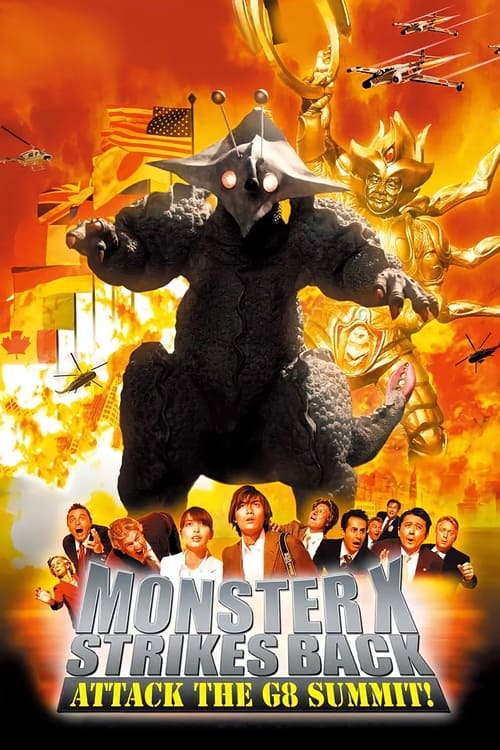
2008

2012
No reviews yet. Be the first to share your thoughts on this movie!
Use the rating form above to leave a star rating and optional review.