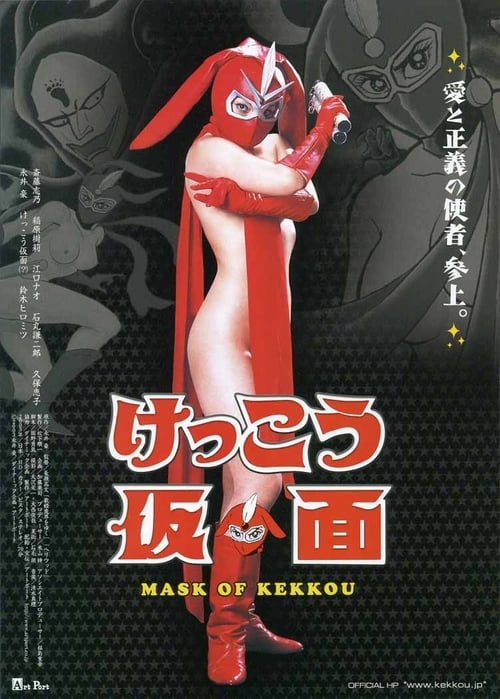
Kekko Kamen New
2003
No user ratings available yet
Representation score: 5.4 out of 10
Representation Score
Limited
2004
Director
Takafumi Nagamine
Runtime
70 minutes
Average Rating
No ratings yetNew Showbiz Analysis
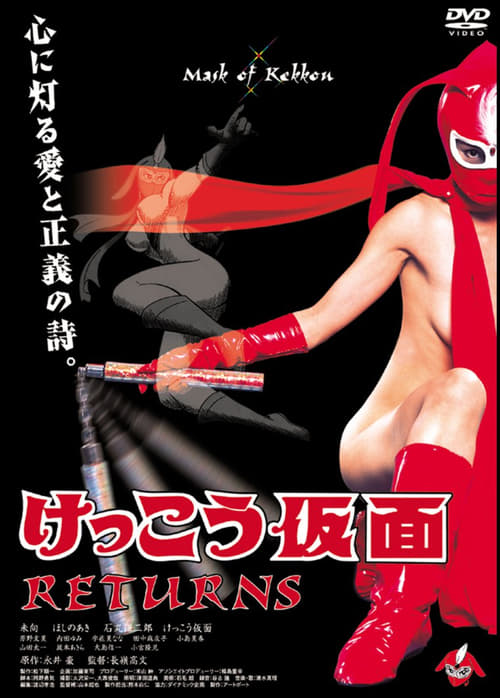
Kekko Kamen Returns succeeds in challenging masculine-centric action clichés by centering women's ability to drive the story and subverting traditional authority figures. The protagonist operates as a powerful vigilante within a highly gendered, all-female environment. However, the film's impact is limited by its narrow focus. The narrative lacks explicit racial or LGBTQ+ development, remaining confined to a homogeneous cultural context and traditional genre archetypes. Ultimately, while the film disrupts gender hierarchies through surrealist action, it does not engage with broader themes of diversity or varied social identities.
Category Breakdown
The film centers on an all-female social space, which challenges traditional assumptions about relationships. However, there is no explicit confirmation of queer identities or romantic pairings within the narrative.
Kekko Kamen subverts traditional hierarchies by serving as the primary driver of the story. The film replaces established institutional leadership with chaotic power structures, placing tactical superiority in the hands of the female lead.
The production focuses on a homogeneous Japanese setting. There is no evidence of a multi-ethnic cast or the use of non-human species as metaphors for ethnic diversity.
The narrative critiques institutional stability by portraying school leadership through twisted training and punishment. It prioritizes situational justice via a vigilante figure over standard legal or social frameworks.
The film lacks evidence regarding the portrayal of physical or neurodivergent disabilities. The frog monster transformation serves as a sci-fi cliché rather than a representation of lived experience.
Present on Screen
Limited or Absent
Official Synopsis
The evil is back and this terrorizing the swim team at an all girl school. After turning the Principal into a frog monster they commence with their own brand of twisted training and punishment. But Kekko Kamen has also returned to right the wrongs and send the MGF packing once again or can she, they seem stronger and smarter then ever have been before, it's sink or swim time for Kekko Kamen.
2003

2004

2011

2006

2004

2016

2015

2012
No reviews yet. Be the first to share your thoughts on this movie!
Use the rating form above to leave a star rating and optional review.