
Rio Bravo
1959
No user ratings available yet
Representation score: 3.3 out of 10
Representation Score
Minimal
1957
ApprovedDirector
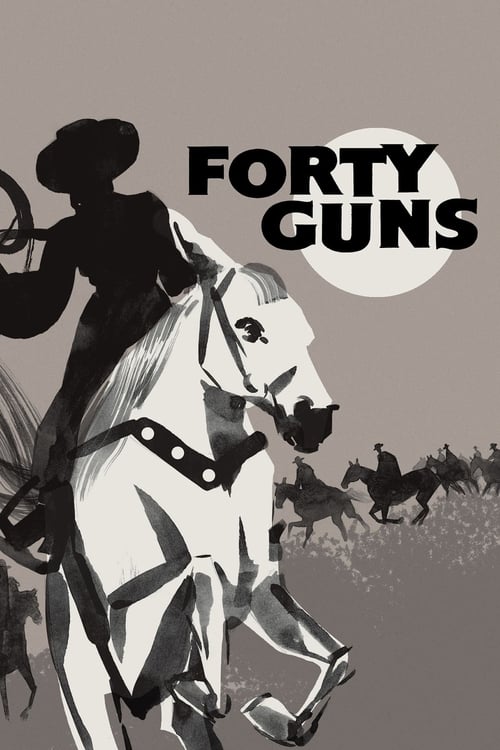
Samuel Fuller
Runtime
80 minutes
Average Rating
No ratings yetNew Showbiz Analysis
Forty Guns is a classic 1950s Western that upholds the social structures and character types of its era. The film centers on the conflict between frontier lawlessness and institutional order, primarily through masculine confrontations. Although the main character is a powerful female rancher, her authority is still linked to traditional roles and a relationship with a male lead. The film adheres to the standard gender and racial hierarchies of the time, offering limited complexity or disruption to the status quo.
Category Breakdown
The film does not include any LGBTQ+ characters or narratives that challenge traditional heterosexual relationships. Relationships and family structures are strictly conventional.
A female rancher holds significant power over her territory, but her influence is tied to traditional roles and a relationship with a male character. The narrative emphasizes masculine themes and male-driven violence.
The cast is mostly white, reflecting the homogeneity typical of 1950s Western films. There are no significant minority characters with substantial roles.
The story examines the tension between individual vigilantes and official authority within a traditional Western setting. It does not question the institutions of capitalism or the family structure.
The film does not depict any characters with visible or invisible disabilities. None of the characters have arcs defined by neurodivergence or physical limitations.
Present on Screen
Limited or Absent
Official Synopsis
An authoritarian rancher rules an Arizona county with her private posse of hired guns. When a new Marshal arrives to set things straight, the cattle queen finds herself falling for the avowedly non-violent lawman. Both have itchy-fingered brothers, a female gunman enters the picture, and things go desperately wrong.
1959

1959
1966
1950
1959

1954
1958

1958
No reviews yet. Be the first to share your thoughts on this movie!
Use the rating form above to leave a star rating and optional review.