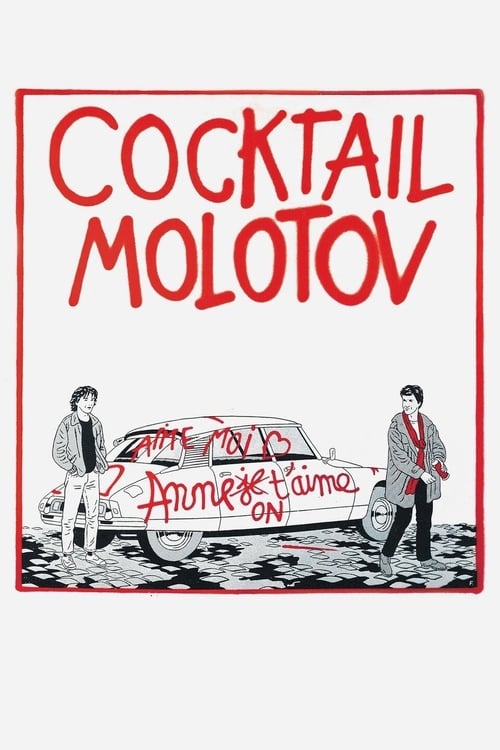
Cocktail Molotov
1980
No user ratings available yet
Representation score: 6.1 out of 10

Representation Score
Fair
1969
RDirector
Yves Ciampi
Runtime
100 minutes
Average Rating
No ratings yetNew Showbiz Analysis
A Matter of Days is a political drama that emphasizes intellectual and systemic themes over social identity representation. It excels in showcasing the ability to act of its female lead and its examination of Western authority during times of significant upheaval. While the film provides a nuanced look at political collaboration and student movements, it remains narrow in its demographic scope. Its European setting limits its racial and ethnic breadth. Ultimately, the film succeeds as a study of systemic change and individual morality, though it lacks representation for LGBTQ+ and disabled communities.
Category Breakdown
The film centers on the romantic and political bond between Françoise and Pavel, following traditional romantic structures without delving into non-traditional gender identities.
Françoise is a central figure with significant intellectual influence. Her journey through academia and politics positions her as a key driver of the story rather than a passive participant.
Set within a European geopolitical context involving France and Czechoslovakia, the narrative lacks significant racial diversity or non-European perspectives.
The film explores systemic critiques through the Prague Spring and May 68 movements, highlighting the tension between individual influence and state authority.
No visible or invisible disabilities are portrayed in the narrative. There are no characters with disabilities used as plot devices.
Present on Screen
Limited or Absent
Official Synopsis
Françoise, a French sociology student, moves to Czechoslovakia to write her thesis. She falls in love with Pavel, a professor. But the events of the "Prague Spring" begin and Pavel decides to collaborate. Françoise returns to France and meets up with her militant friends on the eve of the events of May 68 in Paris.
1980

1964

1980
1963

1968
1971

2008
1969
No reviews yet. Be the first to share your thoughts on this movie!
Use the rating form above to leave a star rating and optional review.