
Blackmail
1939
No user ratings available yet
Representation score: 0.4 out of 10
Representation Score
Minimal
1947
NRDirector
D. Ross Lederman
Runtime
67 minutes
Average Rating
No ratings yetNew Showbiz Analysis
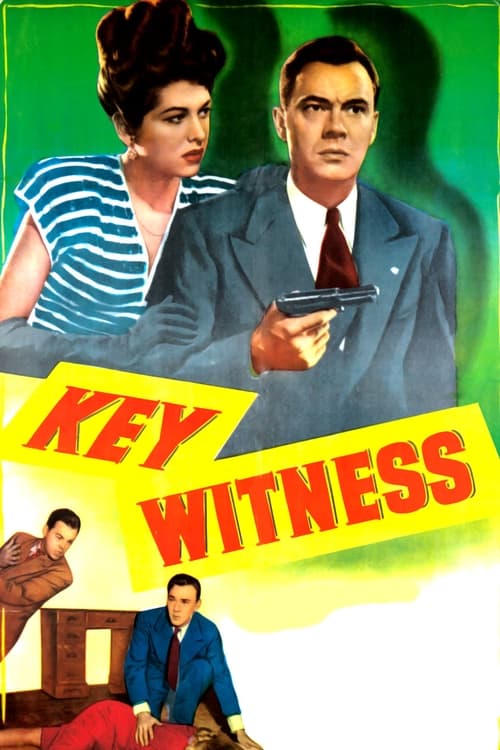
Key Witness is a quintessential mid-century crime thriller that adheres strictly to the cinematic conventions of its era. The story focuses on a singular, linear pursuit of justice through a traditionalist lens, offering little in the way of social subversion. The film reinforces existing hierarchies by centering masculine ability to act and conventional social structures. It lacks multi-layered complexity, presenting a standard, non-diverse urban environment that mirrors the mainstream output of the 1940s. Ultimately, the production functions as a genre-standard B-movie. It prioritizes efficient storytelling over the deconstruction of social norms or the inclusion of diverse identities.
Category Breakdown
The film operates within a framework that assumes everyone is straight and cisgender. It lacks any visible engagement with LGBTQ+ identities or themes of non-binary gender identity.
Narrative ability to act is concentrated among male characters and law enforcement figures. Female roles appear to function within traditional, secondary capacities, reinforcing mid-century gender hierarchies.
The cast reflects the homogeneous casting practices typical of 1940s urban crime dramas. There is no evidence of characters of color having a significant role in driving the story.
The plot reinforces Western institutional values and the stability of the social contract. It offers no religious critique or challenges to traditional social structures.
There is no discernible representation of physical or neurodivergent disabilities. Disability is not utilized as a theme or a tool for character development.
Present on Screen
Limited or Absent
Official Synopsis
A man takes over the identity of a dead man while on the lam from a crime he didn't commit.
1939
1964

1947

1956
1948

1953
1963

1941
No reviews yet. Be the first to share your thoughts on this movie!
Use the rating form above to leave a star rating and optional review.